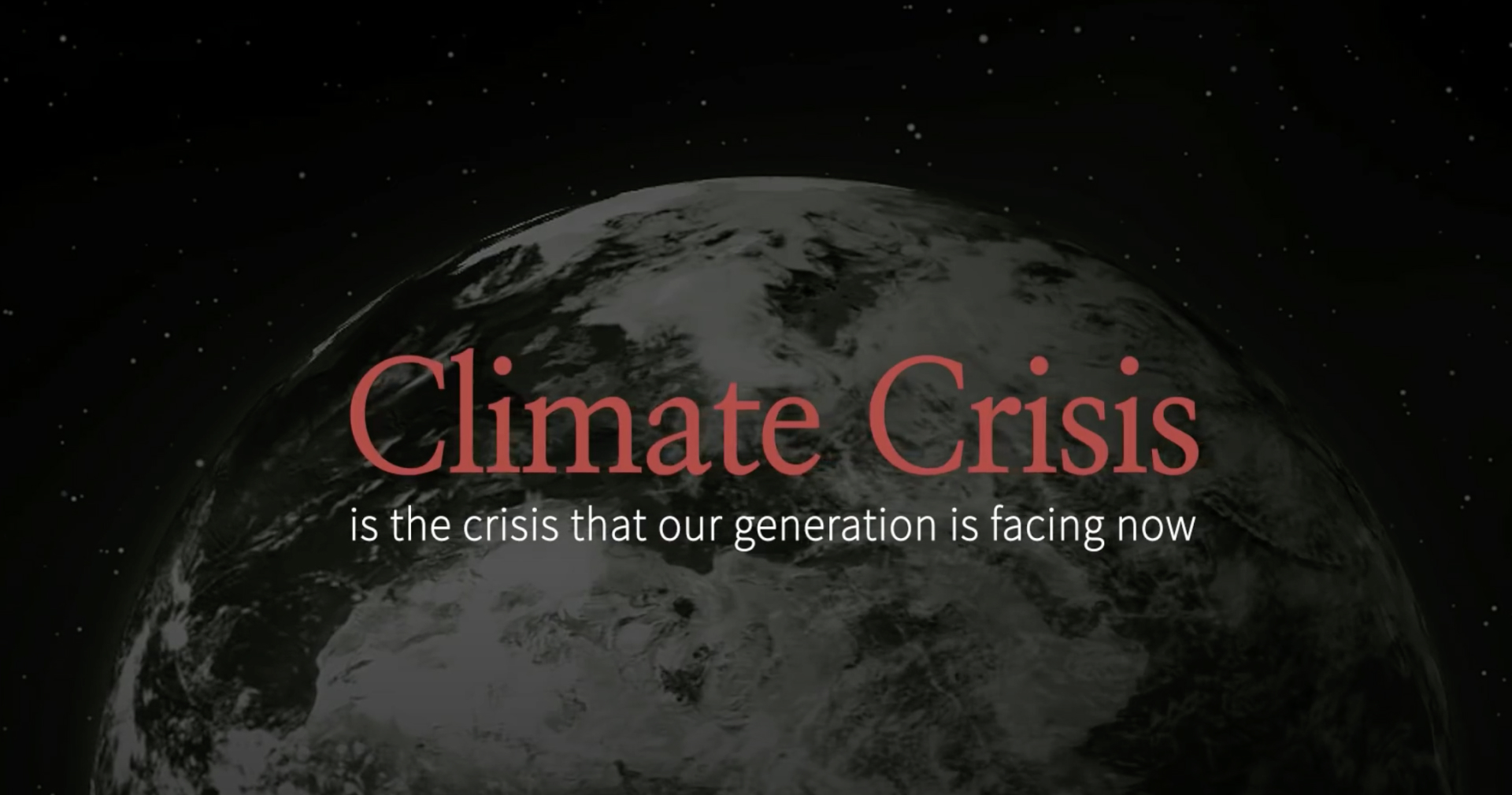
Use disaster scenarios caused by climate change to spark interest in environmental issues and offer preparedness items through the website.
Background
How can I raise awareness about climate change and encourage people to act in their daily lives?
Climate change caused by environmental pollution is becoming more severe. While personal behavior change is crucial to prevent it, many people view climate change as a distant issue and are reluctant to take action.
Design Process
Discover > Define > Develop > Deliver
Desk Research
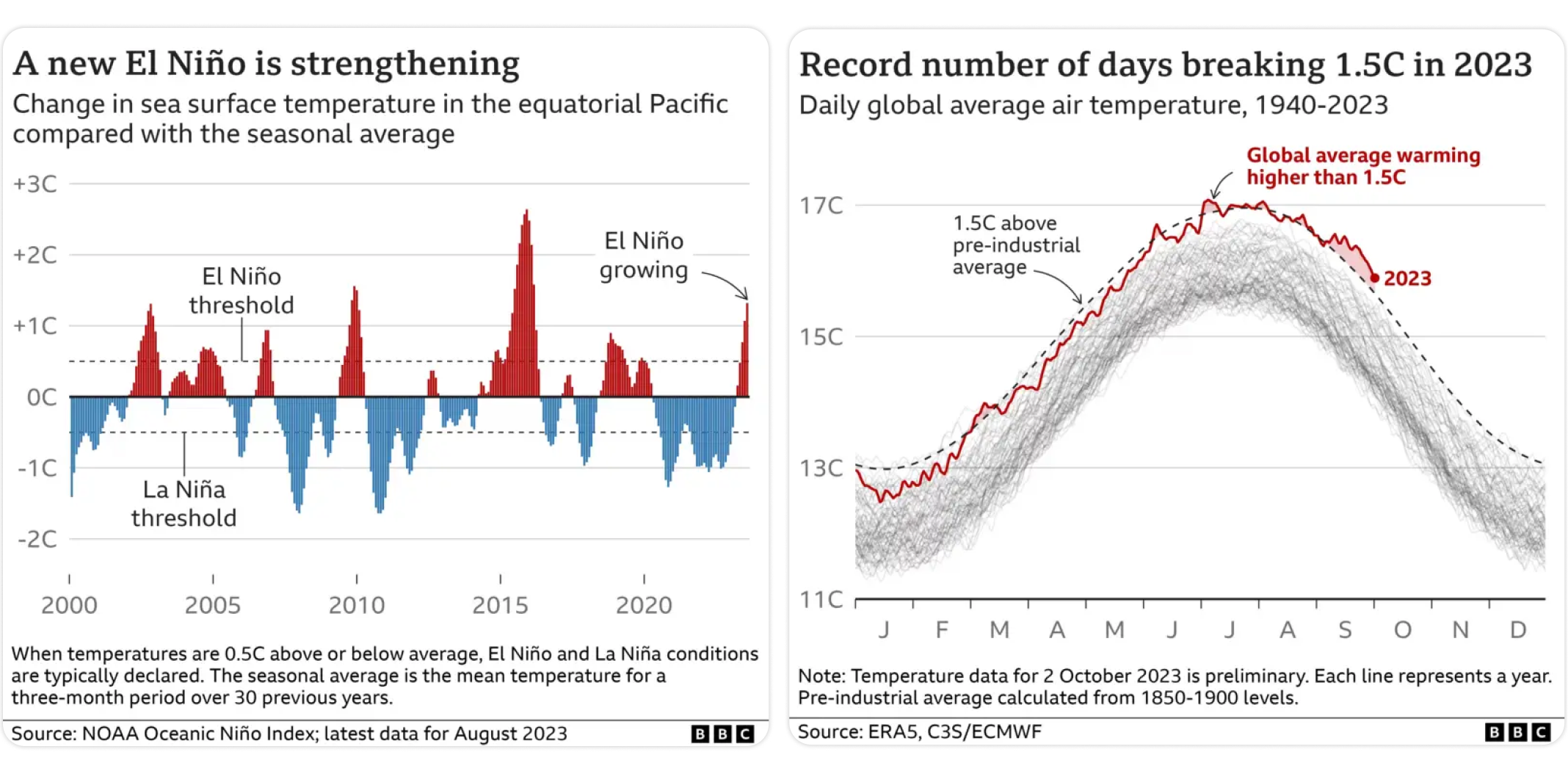
“The world is nearing the tipping point of a 1.5°C rise” – BBC
The Copernicus Climate Change Service reported that, as of earlier this year, global temperatures have exceeded 1.5°C above pre-industrial levels for 86 days.
Charts of rising Pacific sea temperatures show that if sea surface temperatures are more than 0.5°C above or below average, El Niño or La Niña conditions occur. Recent data indicates that El Niño is intensifying.
Focusing on worst-case scenarios can raise public awareness about the severity of climate change and help prevent further disasters.
Dr. Kemp commented,
“Understanding grim but realistic climate scenarios could shake political leaders and the public into action.”
User Research
Does Civil Defense Training Affect Response Strategies?
People are aware that climate change is related to natural disasters.
Experience with civil defense training doesn't significantly affect knowledge of disaster response strategies.
Users recognize the importance of this service, but capturing interest and engagement is critical.
Most users prefer content with a bright, positive tone (although some believe a more serious tone is necessary).

Seong Moo, Lee20sNo Civil Defense TrainingMale
“During the flood incident in Gangnam, water flooded into my basement, and I had to pump it out. It made me realize that these events can happen to anyone.”

Kwanyong, Kim30sCivil Defense Training ExperienceMale
“Even when flight attendants explain safety procedures, most people don't pay attention. It would be helpful if the information could grab people’s attention and engage them.”
“I prefer content with a light tone, even when it’s about serious topics.”

Ji Yoon, Lee20sNo Civil Defense TrainingFemale
“It would be better to avoid approaches that feel too heavy or instill fear. I think it’s important to learn coping methods while fostering a sense of positivity and hope.”
Dongheon, Kim30sNo Civil Defense TrainingMale
“Complex disaster response measures can be challenging for people of all ages to execute. It would be helpful to provide simpler and more accessible guidance for effective action.”
Competitor Analysis
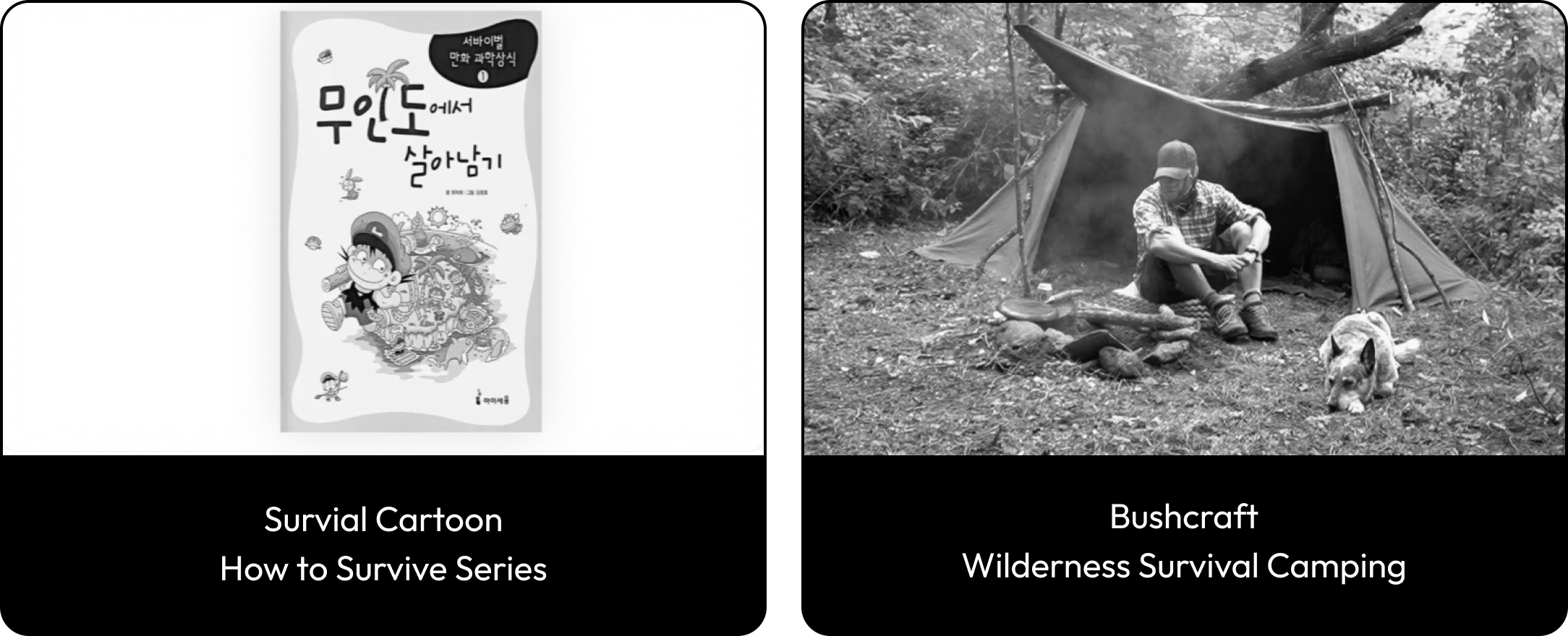
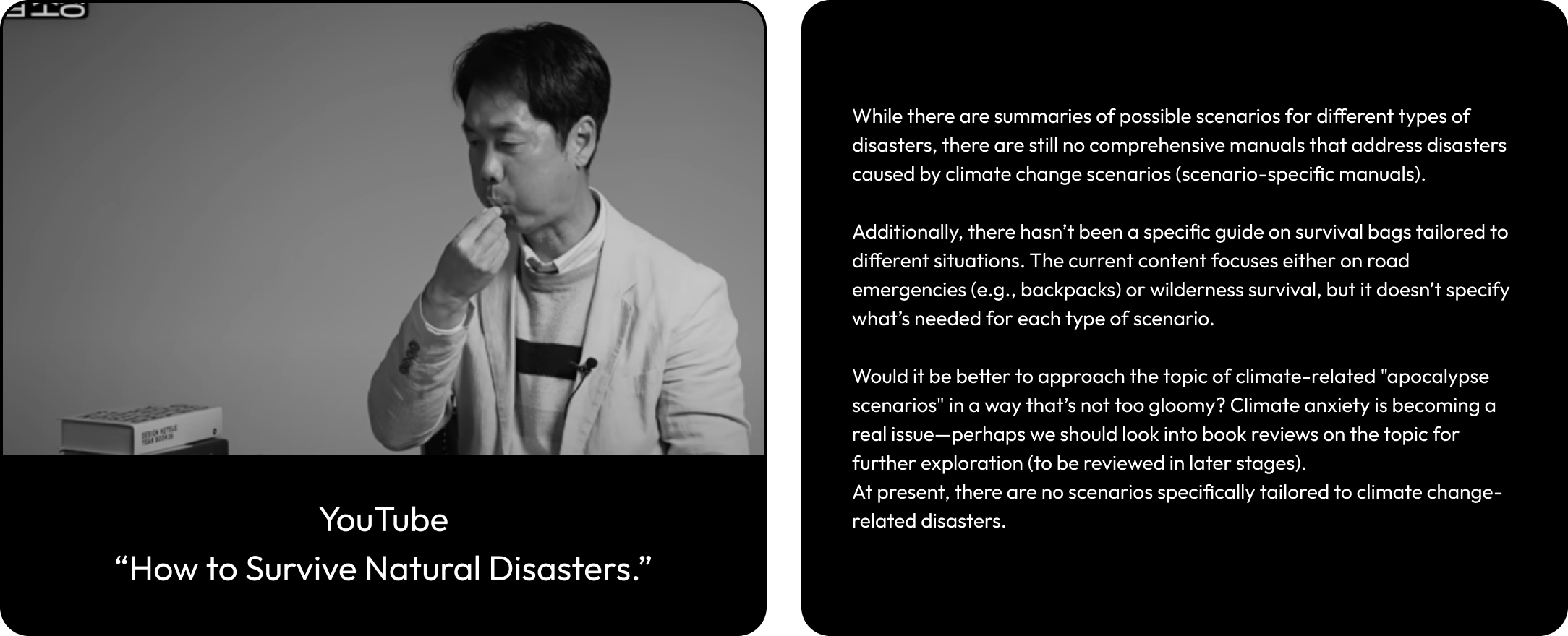
- Climate change-related content is scattered across various platforms (papers, videos) and often difficult to understand.
- Videos tend to be too long for busy individuals to watch.
- Users want to know how to respond to sudden natural disasters.
Persona
Junho Lee
29, Male / Marketer / Seoul, Korea

Interests
Hiking, Camping
What’s his story
“I want to use resources related to climate change for environmental campaigns, but the information is scattered across multiple platforms and often difficult to understand.”
“The videos are too long and feel boring.”
“After a recent natural disaster, I realized the importance of knowing how to respond in advance.”
Frustration
“Research shows that natural disasters are a consequence of climate change, but the information on these events is too scattered.”
“I want to use academic research on climate change and natural disasters for campaigns, but the material is too complex to understand easily.”
“During a sudden monsoon, I got stuck on top of my car with no way to escape. I want to know how to prevent situations like that in the future by preparing in advance.”
Persona Goal
- Provide a platform that integrates various types of information.
- Deliver disaster-related content in easy-to-understand formats (e.g., infographics, animations).
- Offer clear guidelines on how to respond to disasters.
“I’m currently working on an environmental campaign, focusing on climate change.
I need to understand natural disasters caused by climate change more easily and learn the best ways to respond.”
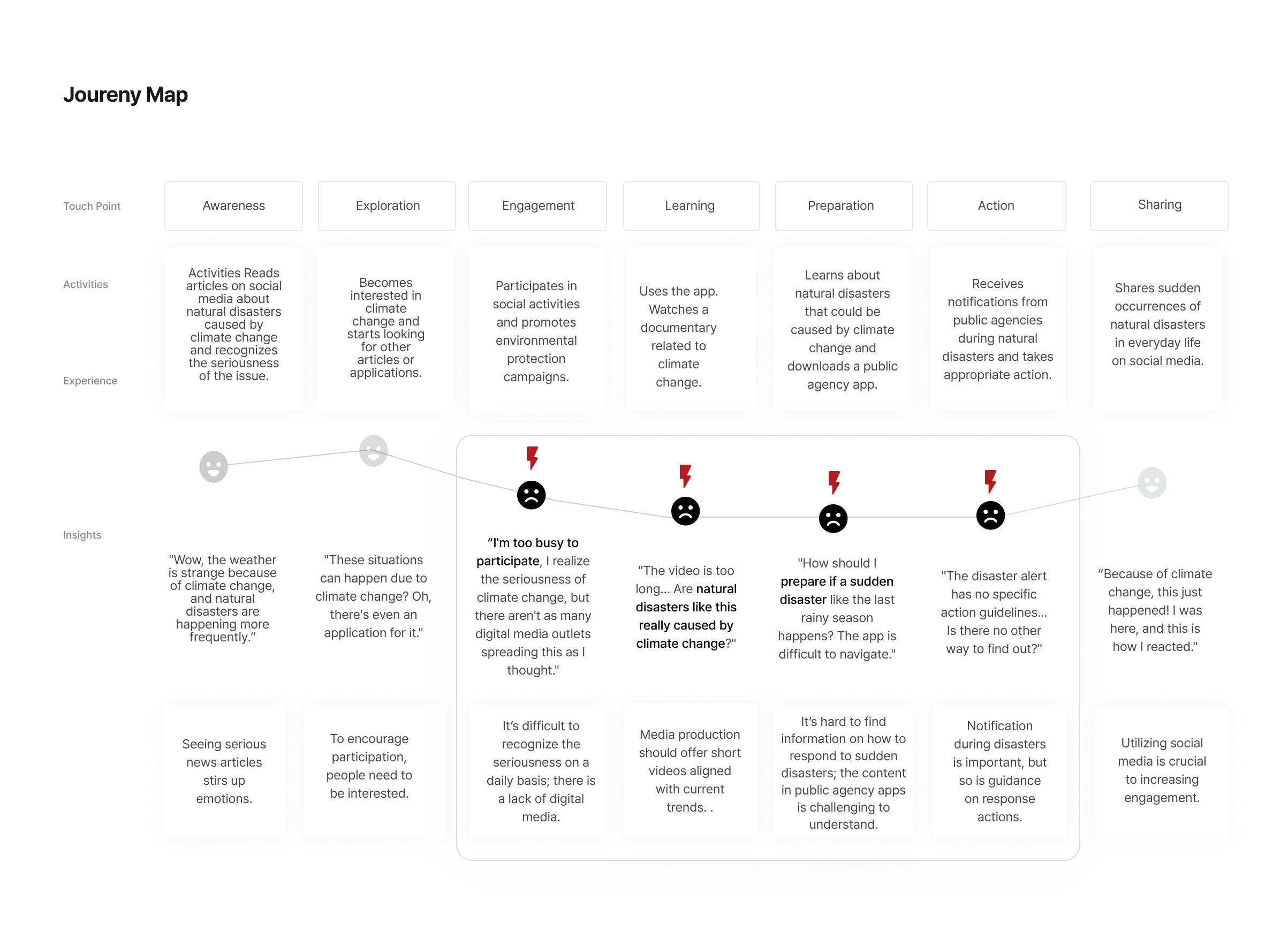
User Journey Map
Problem
People are aware of climate change but often lack deep interest.
How can I inspire meaningful action?
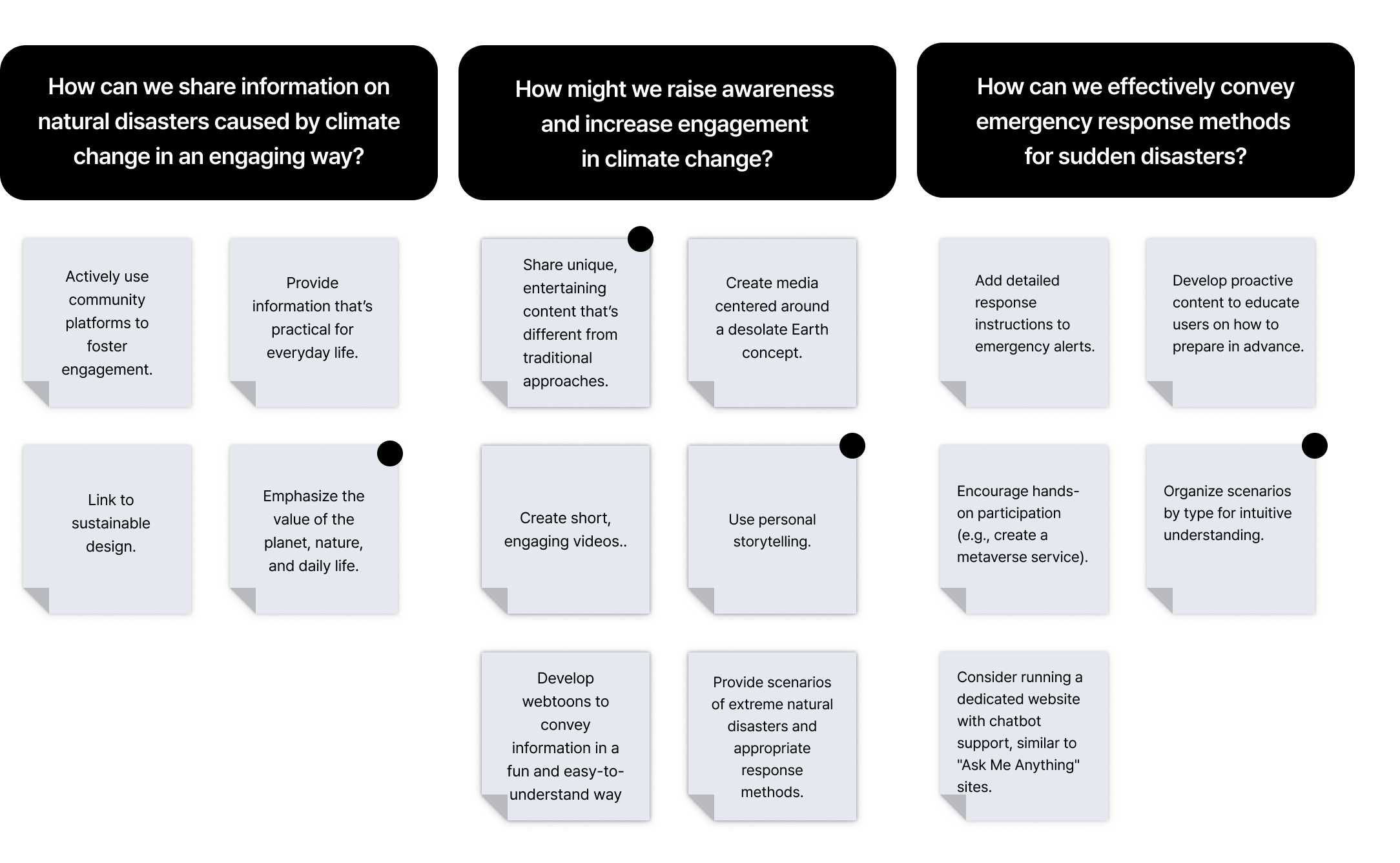
How Might We?
So,
How Can We Move People Emotionally?
How Can We Encourage People To Take Action?
Key Solution
By providing scenarios closely related to everyday life,
we can raise awareness and offer disaster preparedness tips and essential items.
Deliver content through an online platform with survival tools, preparedness tips, and multimedia storytelling (e.g., videos and infographics).
Service Introduction
Who
Targeting younger generations (Millennials and Gen Z), who are already more engaged and interested in environmental issues.
What
Providing educational content to help people understand and respond to natural disasters caused by climate change.
When
Offering special content during climate-related events and campaigns.
Where
Creating an online platform that’s accessible anytime, anywhere.
Why
Using disaster scenarios to raise awareness about the severity of climate change and encourage behavioral change.
How
Developing a multimedia platform (like a website) that combines interactive media.
Key Feature
Countdown Timer & Count-Up Timer
- Inspire climate change action by showing the limited time left to take meaningful steps.
- Highlight the time we’ve already spent addressing climate change, emphasizing the importance of these efforts.
Cherished Moments Display
- Showcase the preciousness of the present moment to motivate users to protect it for the future.
Climate Scenarios
- Introduce scenarios closely related to daily life, such as insect proliferation and food shortages, to illustrate the real impact of climate change.
Practical Sustainability Tips
- Provide easy, actionable methods for practicing environmental protection in everyday life.
Climate-Specific Survival Kit
- Offer a link to survival kits tailored to disasters caused by climate change, rather than generic disaster kits.
Information Architecture
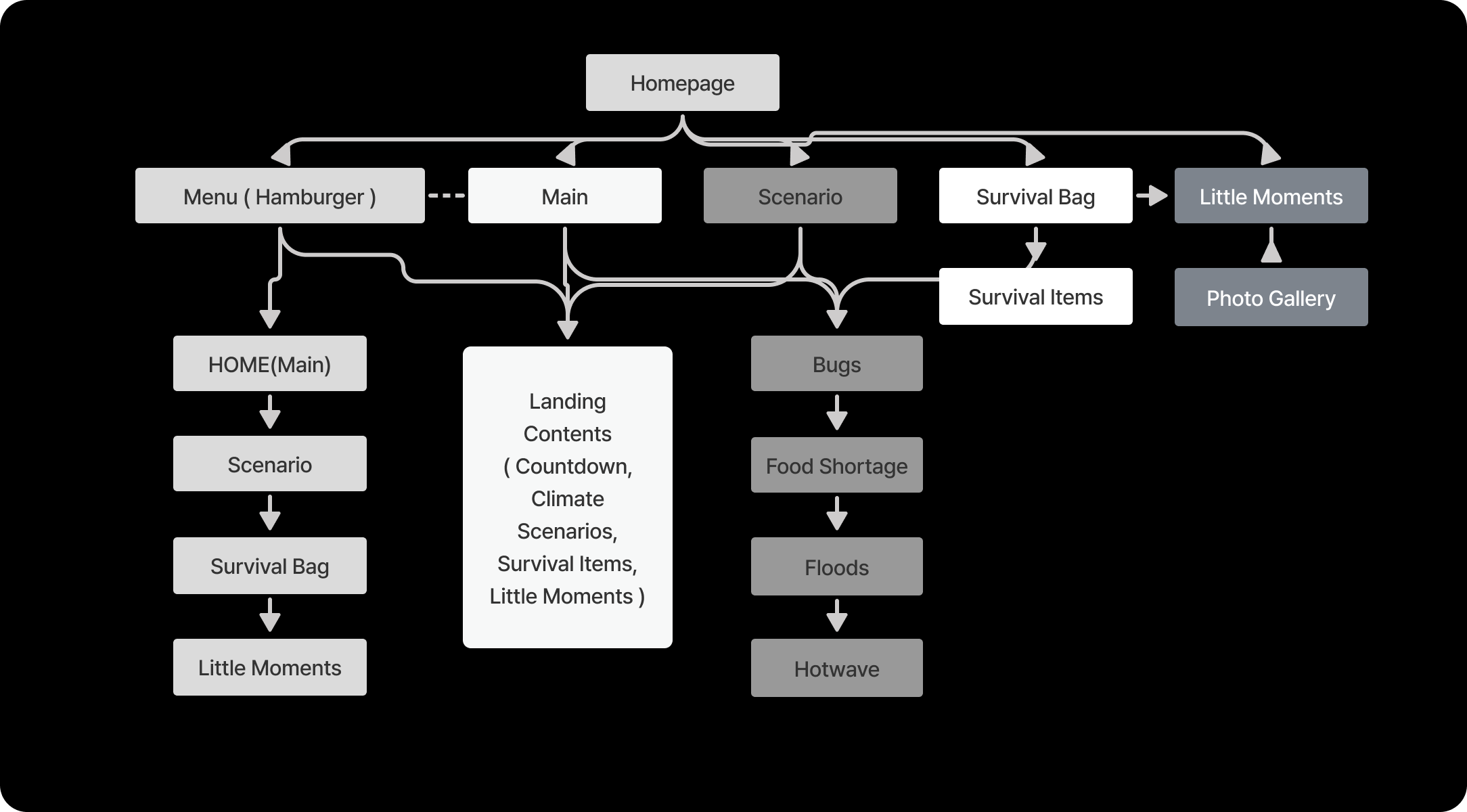
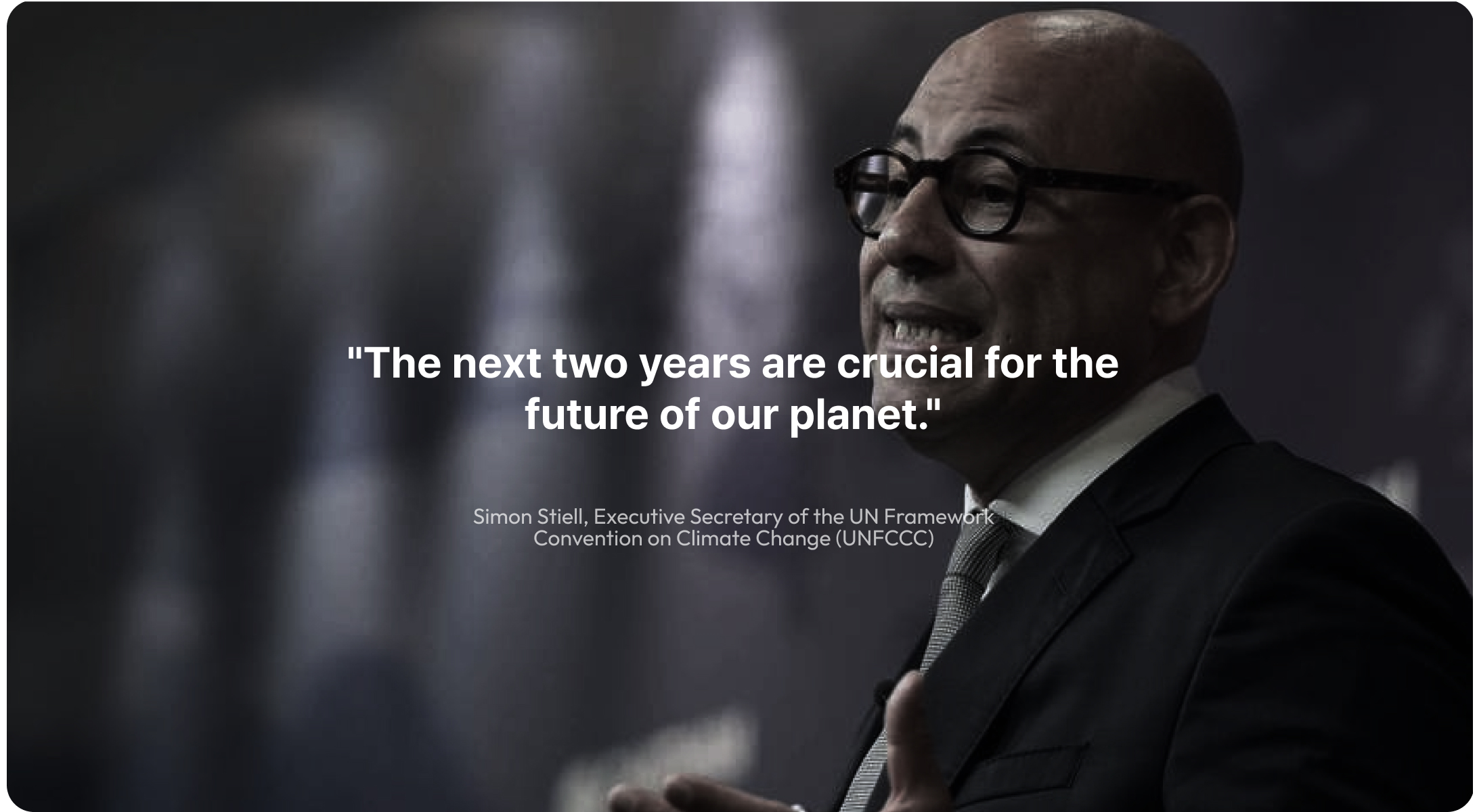
Show a countdown (2 years) indicating the urgency of the climate crisis ( including a speech by UN Secretary-General Simon Stiell )
Emphasize the beauty of nature and everyday moments
(highlighting the happiness in daily life).
If these are lost, proceed to disaster scenarios.
Scenarios Closely Related to Daily Life
( Insects / Food / Heatwaves / Floods )
Character Design for Campaigns
Baekgom
tang 🐻❄️🫠

Character Name Meaning
In Korea, “Gomtang” refers to a broth made by boiling beef bones for a long time. The name is used metaphorically to describe the dire situation polar bears face due to global warming, as if they are being “boiled alive” in the heat. “Baekgom” refers to a polar bear, and “Gomtang” refers to bone broth.
Character Concept
A polar bear living on a devastated Earth, trying to save the planet alongside humans. Due to climate change, the Arctic has seen heavy rainfall, and the polar bear now wears rain boots.
Backstory
The polar bear, having lost its home, now lives among humans. It learns human languages, makes friends, rescues people from disasters, and survives extreme situations.
Target Audience
Young people interested in environmental issues and climate action.
Mainpage Countdown Code
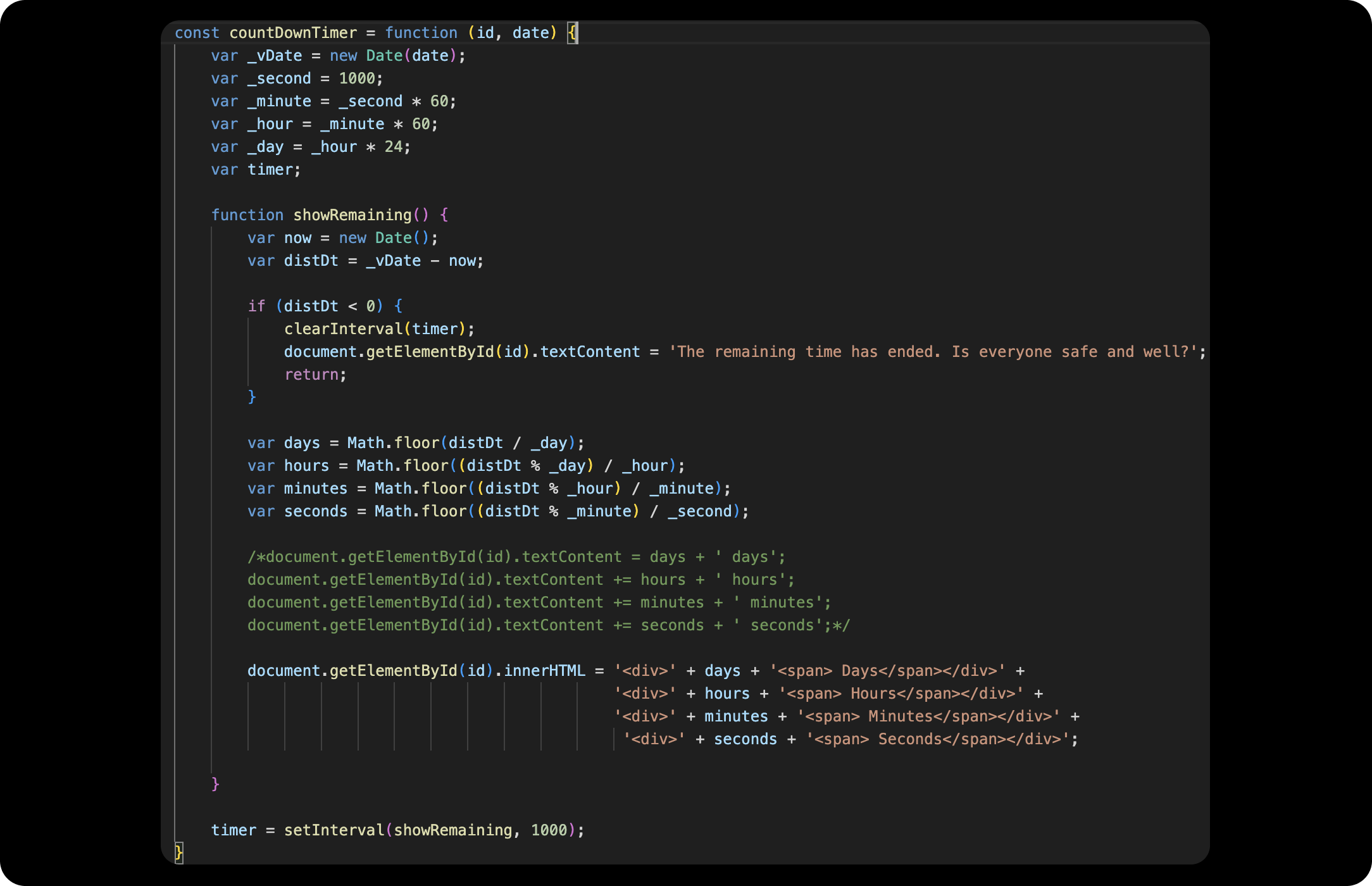
Show a countdown (2 years) indicating the urgency of the climate crisis.
When the countdown is over, “The remaining time has ended. Is everyone safe and well?” comes out.
Mainpage Countup Code
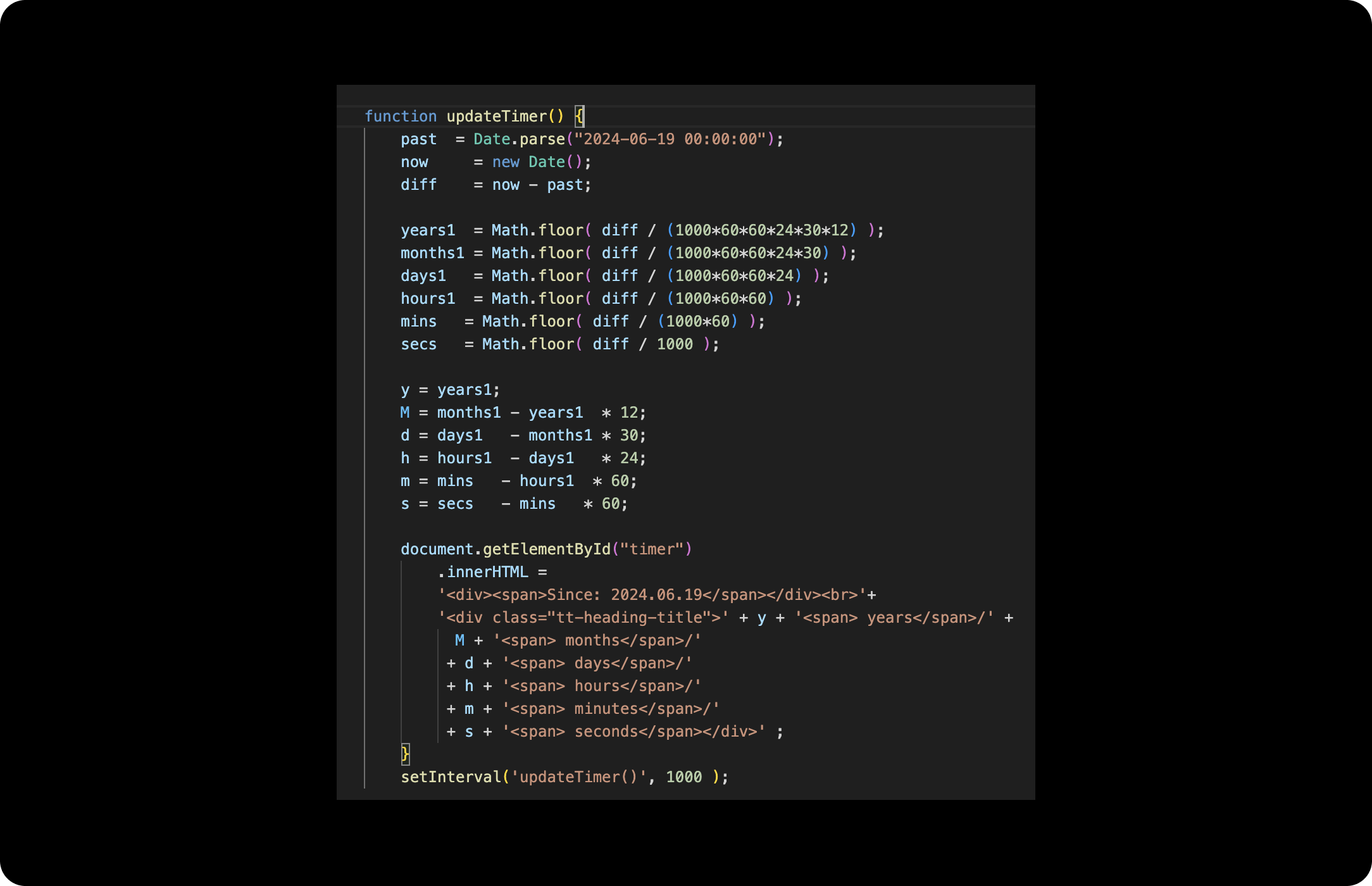
Show a countup. Time we’ve spent working to save the Earth.
Let it continue even after the countdown ends.
Web Page Link
English Version
https://2morrow-us.netlify.app/Hi-Fidelity Design
Key feature 1 & 2 -
Countdown Timer & Count-Up Timer, Cherished Moments Display
Inspire climate change action by showing the limited time left to take meaningful steps.
Highlight the time we’ve already spent addressing climate change, emphasizing the importance of these efforts.
Showcase the preciousness of the present moment to motivate users to protect it for the future.
Key feature 3 & 4 -
Practical Sustainability Tips, Climate Scenarios
Provide easy, actionable methods for practicing environmental protection in everyday life.
Introduce scenarios closely related to daily life, such as insect proliferation and food shortages, to illustrate the real impact of climate change.
Reflection
Reflecting on my portfolio addressing climate change, I focused on creating designs that inspire meaningful action without resorting to predictable narratives. Recognizing that people are aware of climate change but often lack engagement, I prioritized innovative storytelling and user-centered design to bridge this gap.
Drawing on extensive research, including Hyundai's sustainability campaigns, I developed interactive elements that not only educated users but also motivated tangible action. While designing the web page, I ensured the content conveyed the urgency of climate change in a compelling and unexpected way, avoiding overly conventional approaches.
This project reaffirmed my belief in design as a catalyst for change, capable of fostering awareness and inspiring responsibility. It also emphasized the importance of thoughtful communication and interdisciplinary collaboration in tackling complex global issues effectively. Through such work, I hope to contribute to building a more sustainable and engaged society.
See next
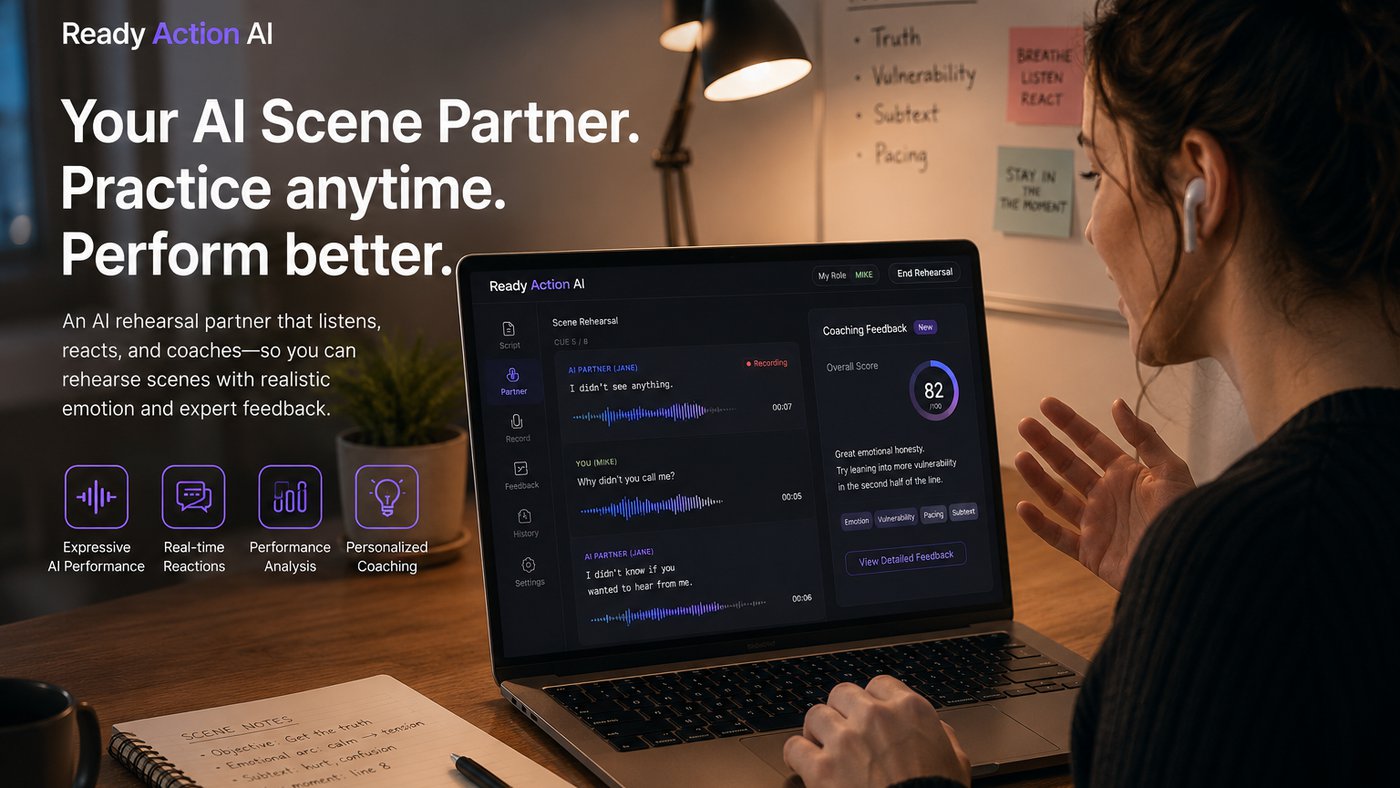 Ready Action: An AI Scene Partner That Listens, Performs, and Coaches
 Gus in the Room: Bringing a Dog Into the Classroom Through a Robot’s Eye
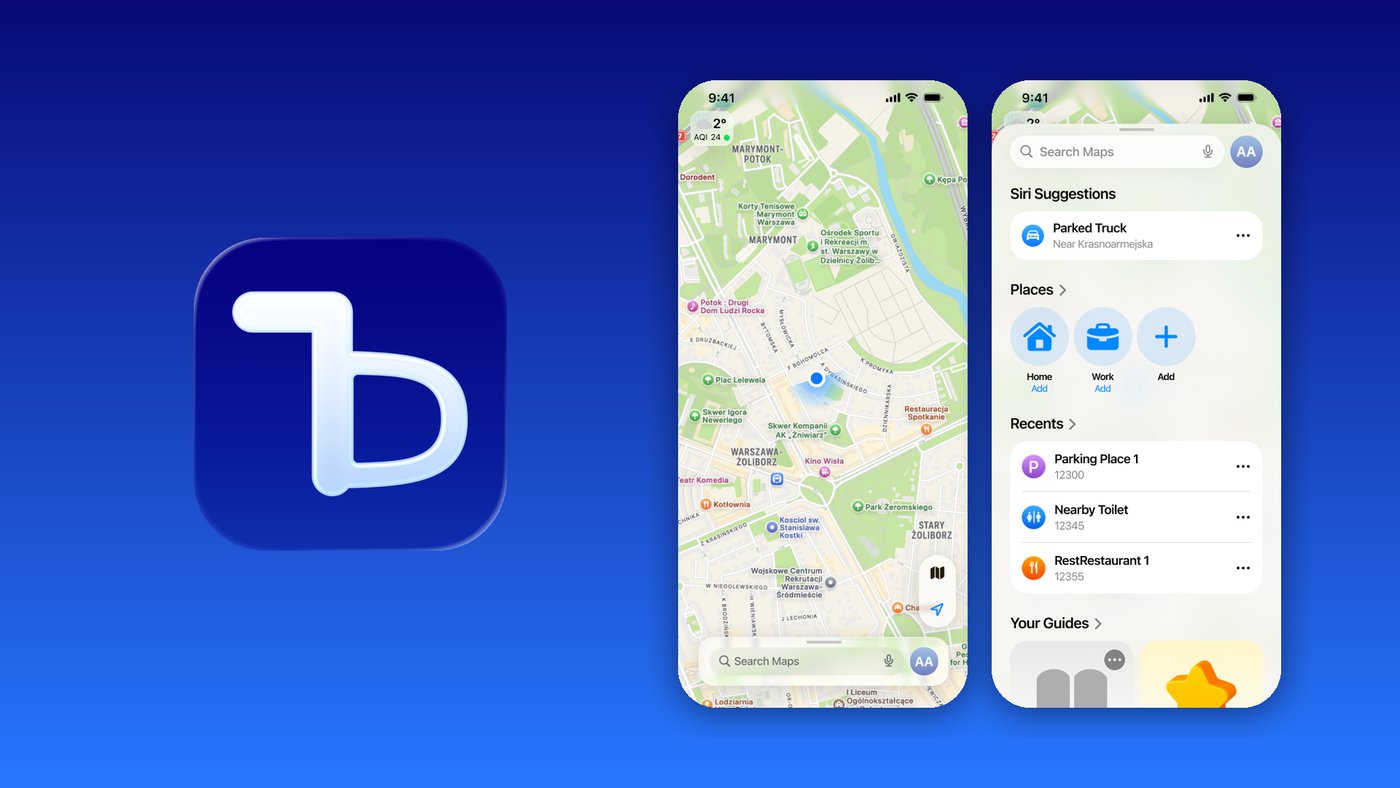 Toilet Delivery: Dignified Restroom Access for NYC Delivery Workers
 Sober Buddy: An AI Player That Joins the Table
 Budgie: Keeping Friendships Alive, One Chirp at a Time
 Dusty & Co.: Designing “Soft Clarity” for a Pottery Studio
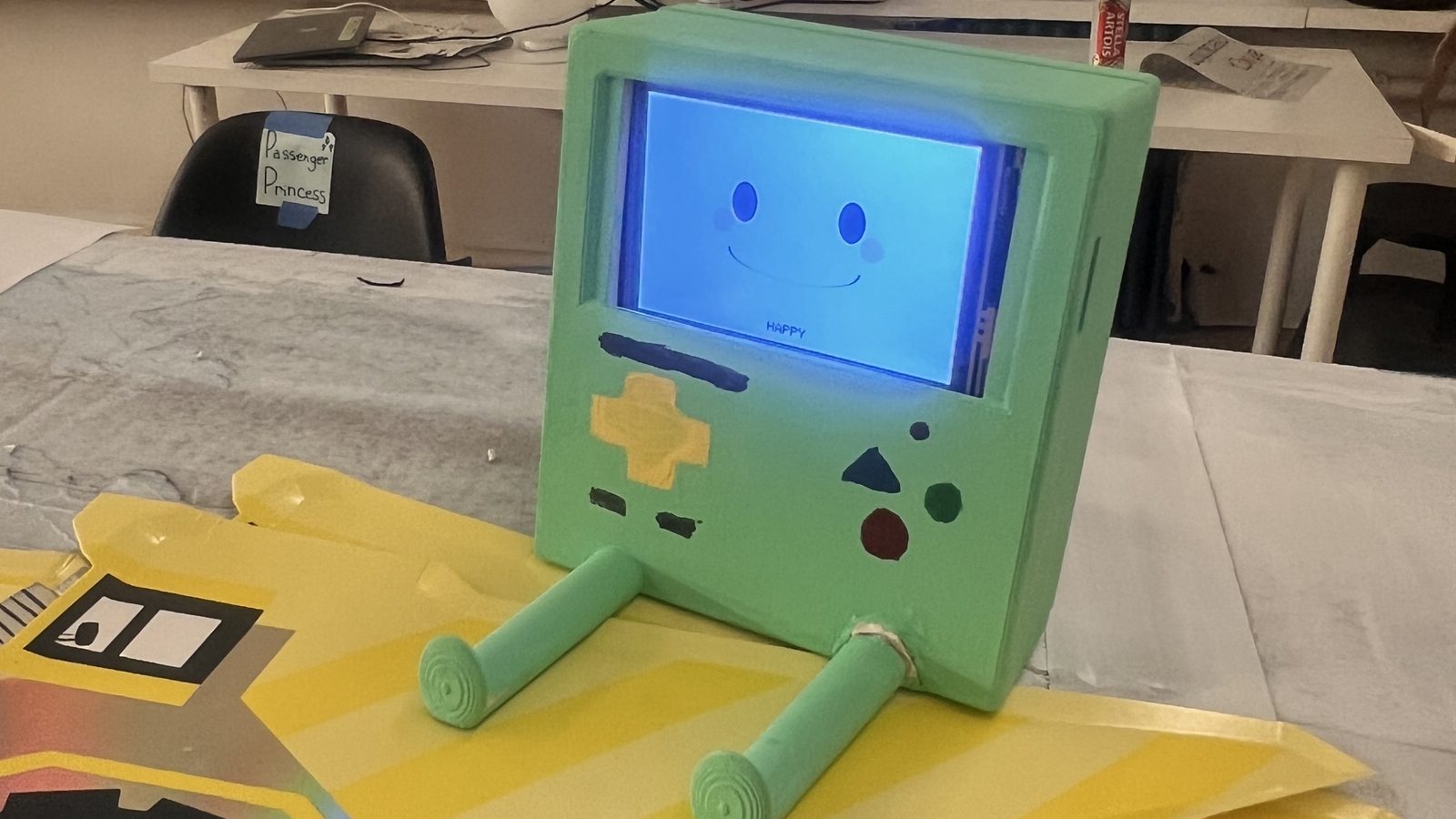 DriveBoy: An Emotional Co-Driver for Long-Haul Truck Drivers
 Industrious: Creating Natural, Authentic Connection in Shared Workspaces
 Hereiam: An AI-Driven Psychological Care Service
 Octofix: A Direct Alteration Service for Purchase and Repairs
 Exhibition Assistant: Planning an Exhibition Day Made Easy
 O!house Re-design: Personalized Home Tours and Deals← All work