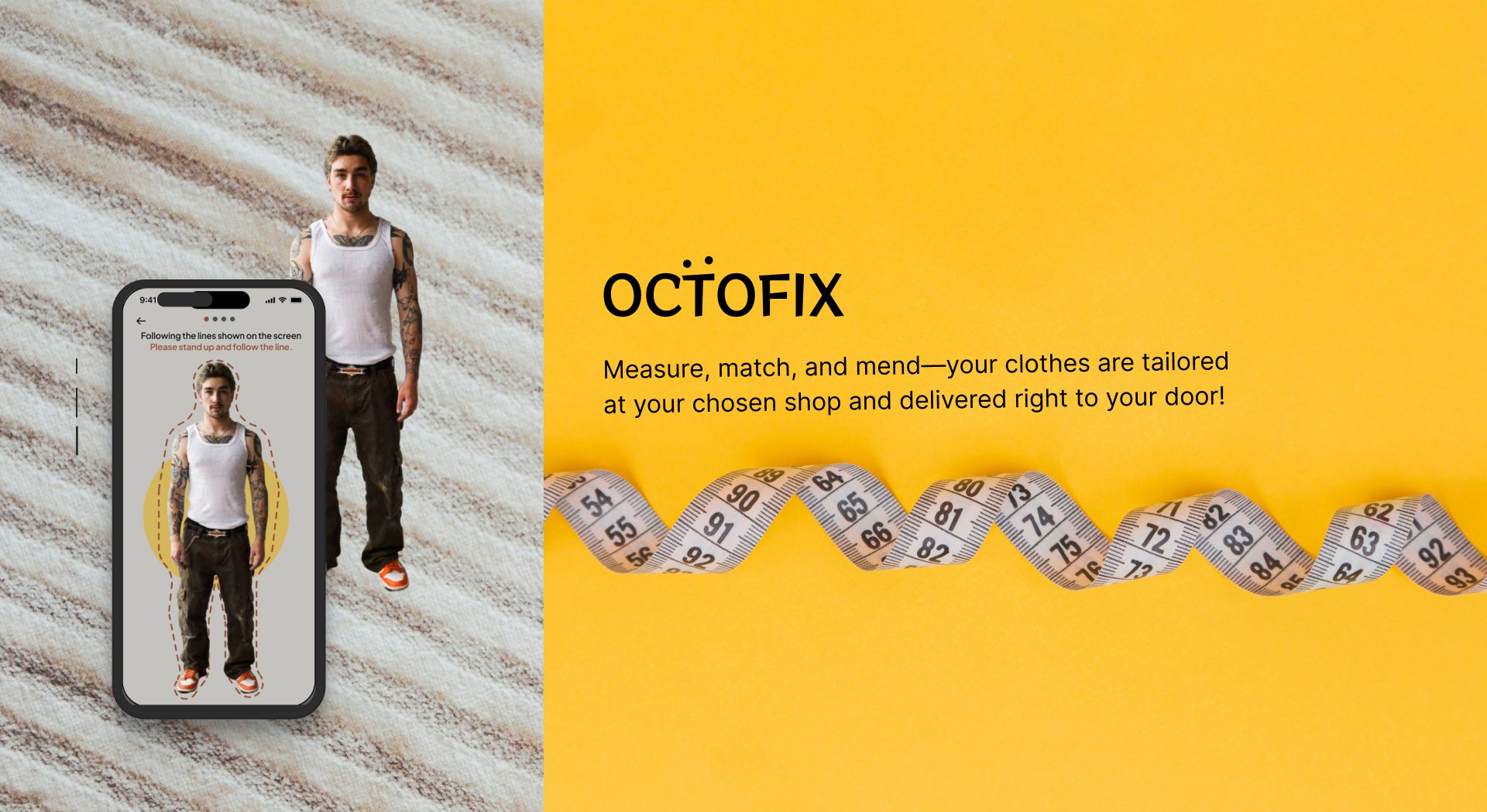
Octofix: A Direct Alteration Service for Purchase and Repairs
Experience convenient clothing repair services where alterations are handled seamlessly, with options for home delivery.
Background
Why do people buy clothes that end up sitting unworn in their closets?
This question originated from issues with fast fashion. Through observations, I noticed that many people purchase clothes but do not wear them.
To address the issues caused by fast fashion, we need to extend the lifespan of purchased clothing.
But how can we ensure people wear their clothes longer?
This led to the idea of improving alteration services.
Design Process
Discover > Define > Develop > Deliver
Desk Research
What is the current state of clothing repairs and alterations?
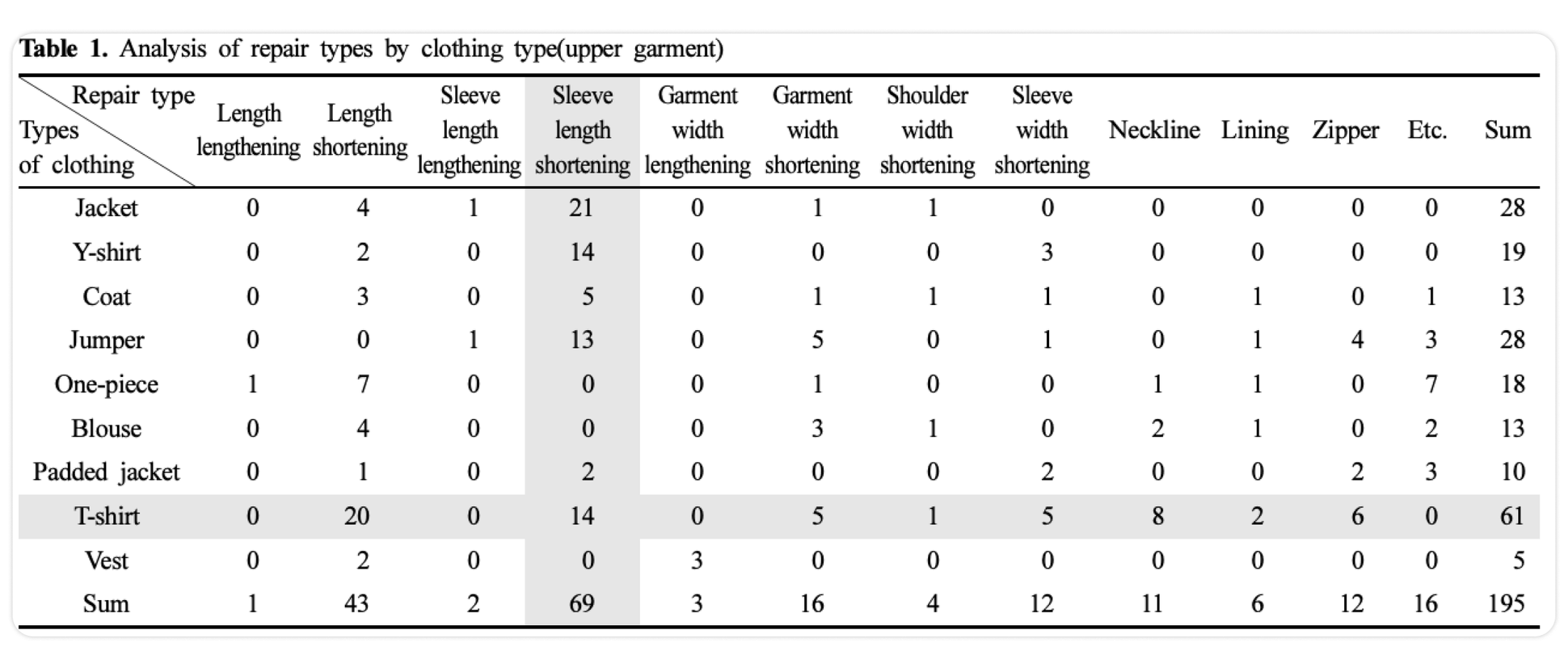
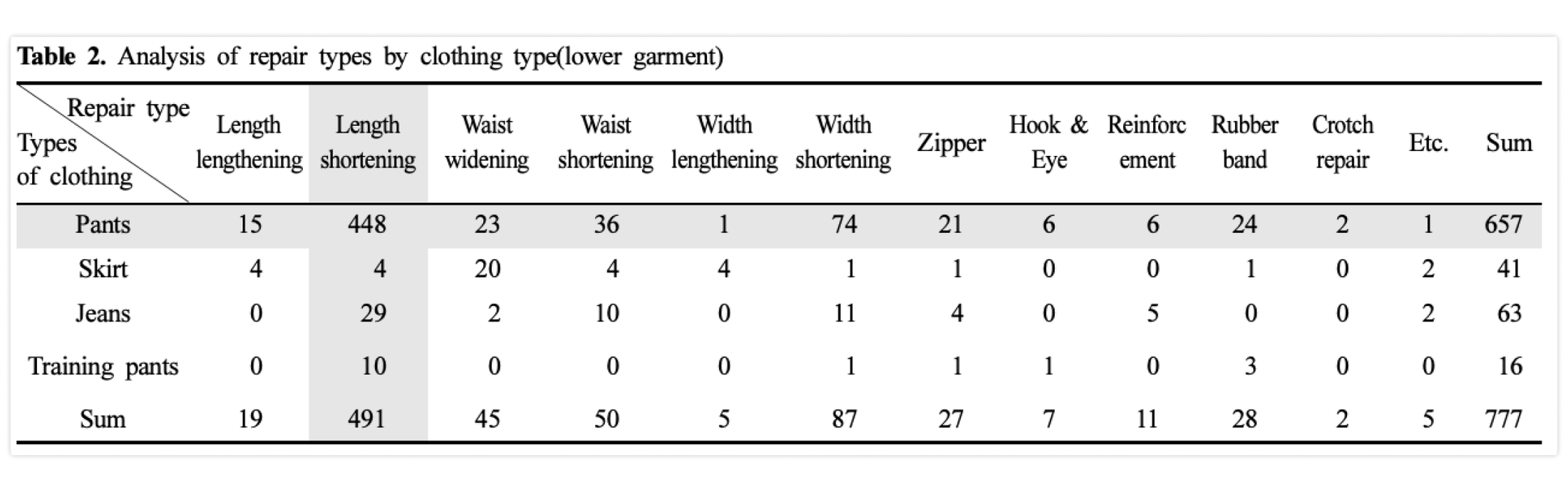
Reference from the Korean Society of Clothing and Textiles Journal, Vol. 25, No. 3, 2023 (pISSN 1229-2060 / eISSN 2287-5743)
Top
Alterations
Most Common Alteration: Sleeves (shortening)
For T-Shirts: More frequent alteration of the overall length than sleeves
Bottom
Alterations
Most Common Alteration: Pants (shortening)
Detailed Breakdown:
- Pants are categorized as regular, denim, or sweatpants.
- The most frequent method is cutting and hemming regular pants.
Survey
Conducted Clothing Alteration Survey (32 Participants)
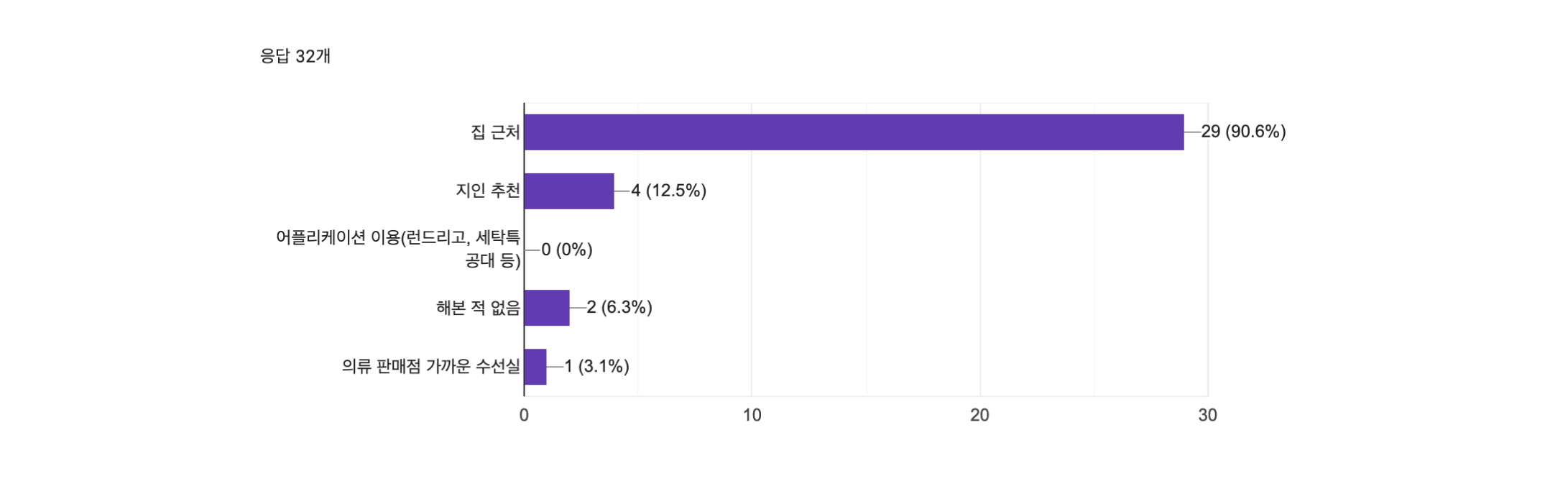
Where do people typically get alterations done?
Most respondents preferred local alteration shops near their homes.
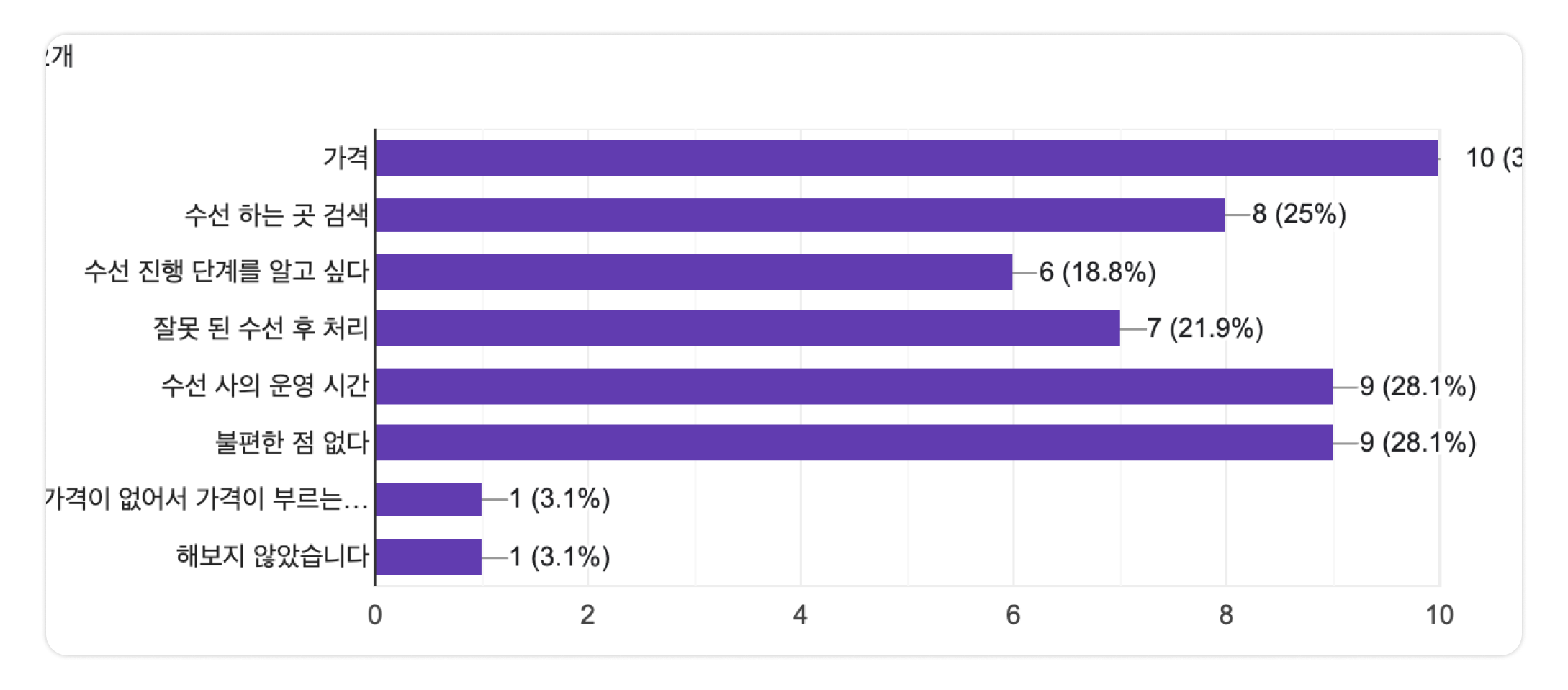
What are the main inconveniences when using alteration services?
The most significant issue was pricing. Alteration shop prices are often not fixed or transparent. Additional challenges included shop operating hours and the difficulty of finding reliable alteration shops.
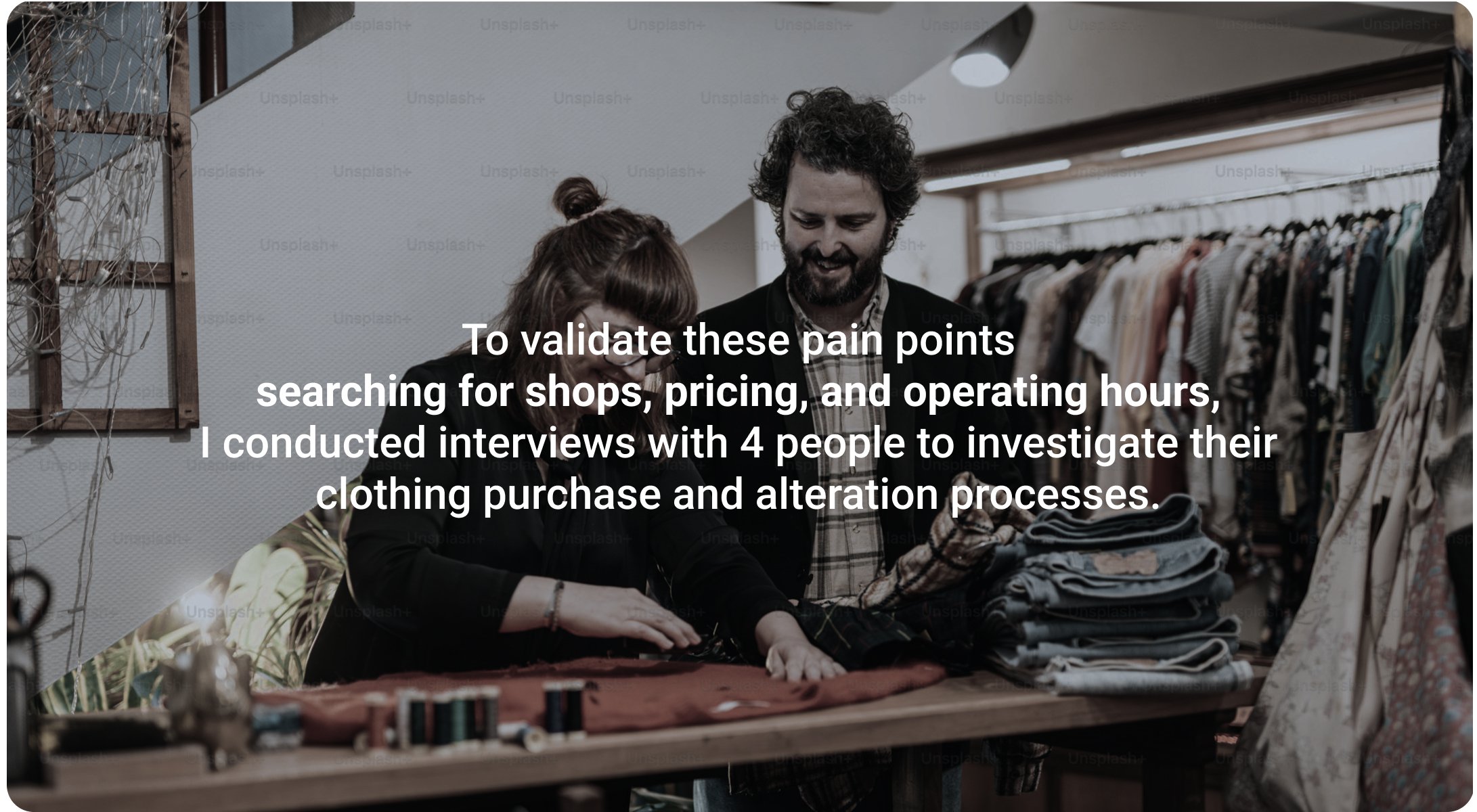
User Research
Key Findings From User Research
- Lack of clear information - price, operating hours
- Busy people find it difficult to pick up their items during operating hours.
- People primarily rely on recommendations from friends or family to find trusted alteration shops.
- Most users seek alterations after purchasing new clothes.

Seunghwan, Lee20sSoftware EngineerMale
“I had a bag repaired, and the price varied a lot. Leather repair shops on Naver lacked clear information, so I had to call to confirm details.”

Eunwoo, Kim30sGraphic DesignerMale
“Most alteration shops don’t offer delivery, so it’s difficult to pick up items after work. It’s frustrating to arrive before closing time.”

Jisoo, Yoon20sUX ResearcherFemale
“I wish they notified me when the alteration is ready. Shops write down details manually and just tell me when to come back.”

Hana, Kim30sSelf-employedFemale
“I once altered clothes, but when I got home and tried them on, the alteration was wrong. It was too much trouble to fix, so I just left it.”
Challenges
Difficulty Finding Reliable Alteration Shops:
- Existing search platforms lack detailed and up-to-date information about alteration services, making it hard to find trustworthy shops.
Manual and Analog Systems:
- Many local alteration shops still use manual processes, creating difficulties in checking operating hours and receiving notifications about service status.
Lack of Aftercare Support:
- When alterations are done incorrectly, users face frustration due to the absence of clear aftercare solutions or compensation procedures.
Persona

Jinha, Lee
29, Female / Marketer / Seoul, Korea
Interests
Fashion, SNS
What’s her story
Jinha, a 29-year-old content marketer, has a blind date coming up. Due to frequent overtime, she ordered a nice outfit online. When it arrived, the waist of the pants was too large. She needs an alteration, but where can she go?
Frustration
- Jinha loves fashion and frequently buys clothes, but due to her petite frame, off-the-rack items often don’t fit.
- Finding reliable information about local alteration shops is difficult, and she struggles with unknown operating hours.
Goals and Expectations
- Access detailed information about alteration shops.
- Receive fast, convenient, and accurate alteration services.
- Have the option for easy pickup or delivery of altered items.
- A clear process for handling botched alterations.
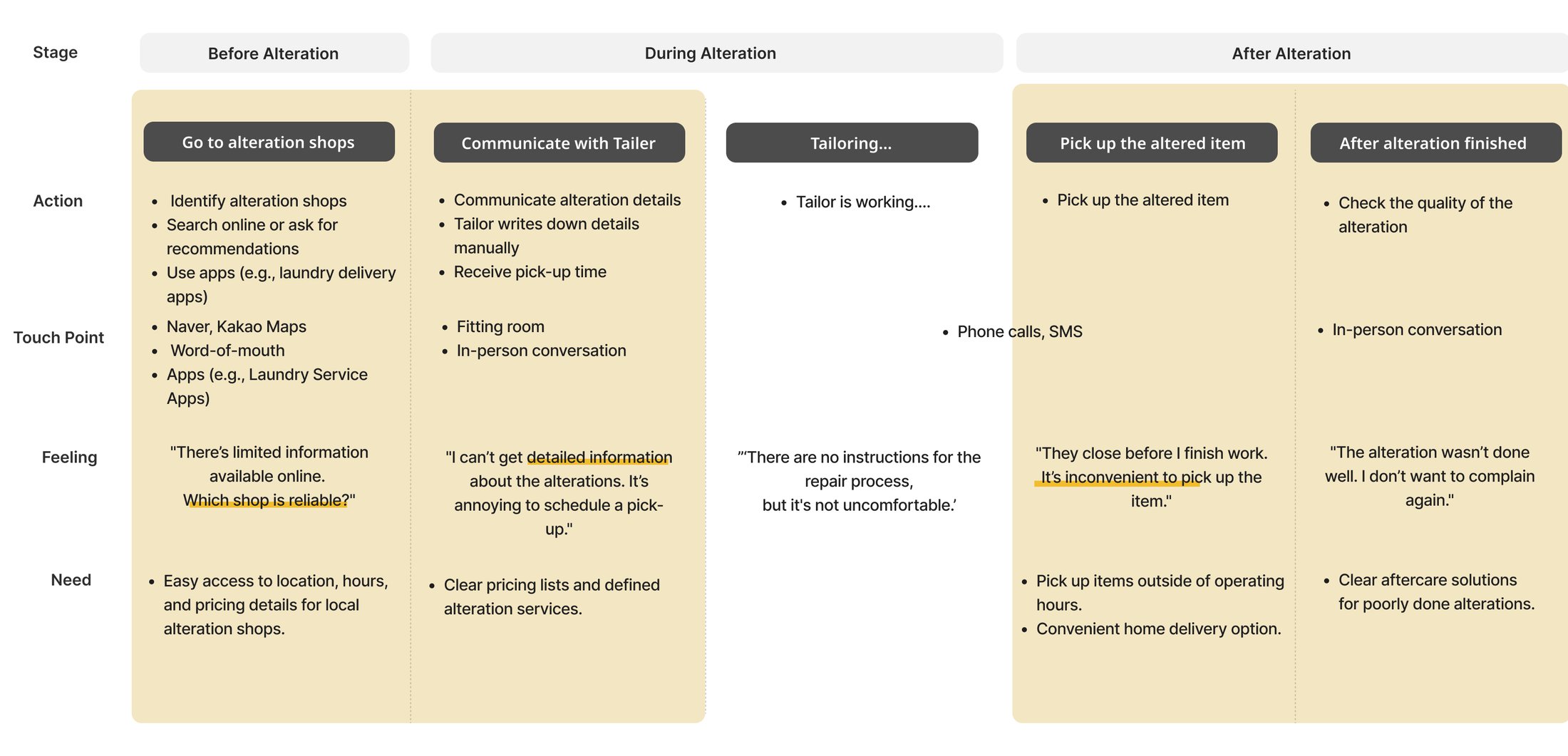
User Journey Map
User Interview
Interviewing a Gen 2030 audience of regular clothes shoppers
Most of the people do alterations as soon as they buy clothes.
Those who knew their measurements had less experience with alterations.
Trousers were the most common item to be altered, consistent with our desk research.

Dongheon, Lee30sSalesMale
“I buy clothes seasonally, spending about $300 every quarter. Since I know my exact measurements, I don’t need alterations often. However, for suits, I always get alterations done right after I buy them.”
“Alterations are necessary for formal wear, but the whole process feels inconvenient. Finding a reliable shop and managing the pick-up times are especially troublesome due to my busy schedule.”

James, Kim20sSoftware EngineerMale
“I shop for clothes 2-3 times a month. Because I’m shorter than average, I always need to shorten the length of my pants immediately after purchasing them.”
“I really need quick and reliable alterations. It’s frustrating when I can’t find clear information about prices or operating hours. I also wish I could get alerts when my clothes are ready for pick-up.”

Yuji, Oh30sProduct DesignerFemale
“I buy clothes 1-2 times a month. When I shop at places like ZARA, the pant lengths are always too long, so I end up getting them altered right away.”
“I want clear and transparent information about alteration services. Sometimes the cost varies too much between shops, and it’s a hassle to keep track of the pick-up times. It would also be nice to have an aftercare service if the alteration doesn’t turn out well.”
Define Concept
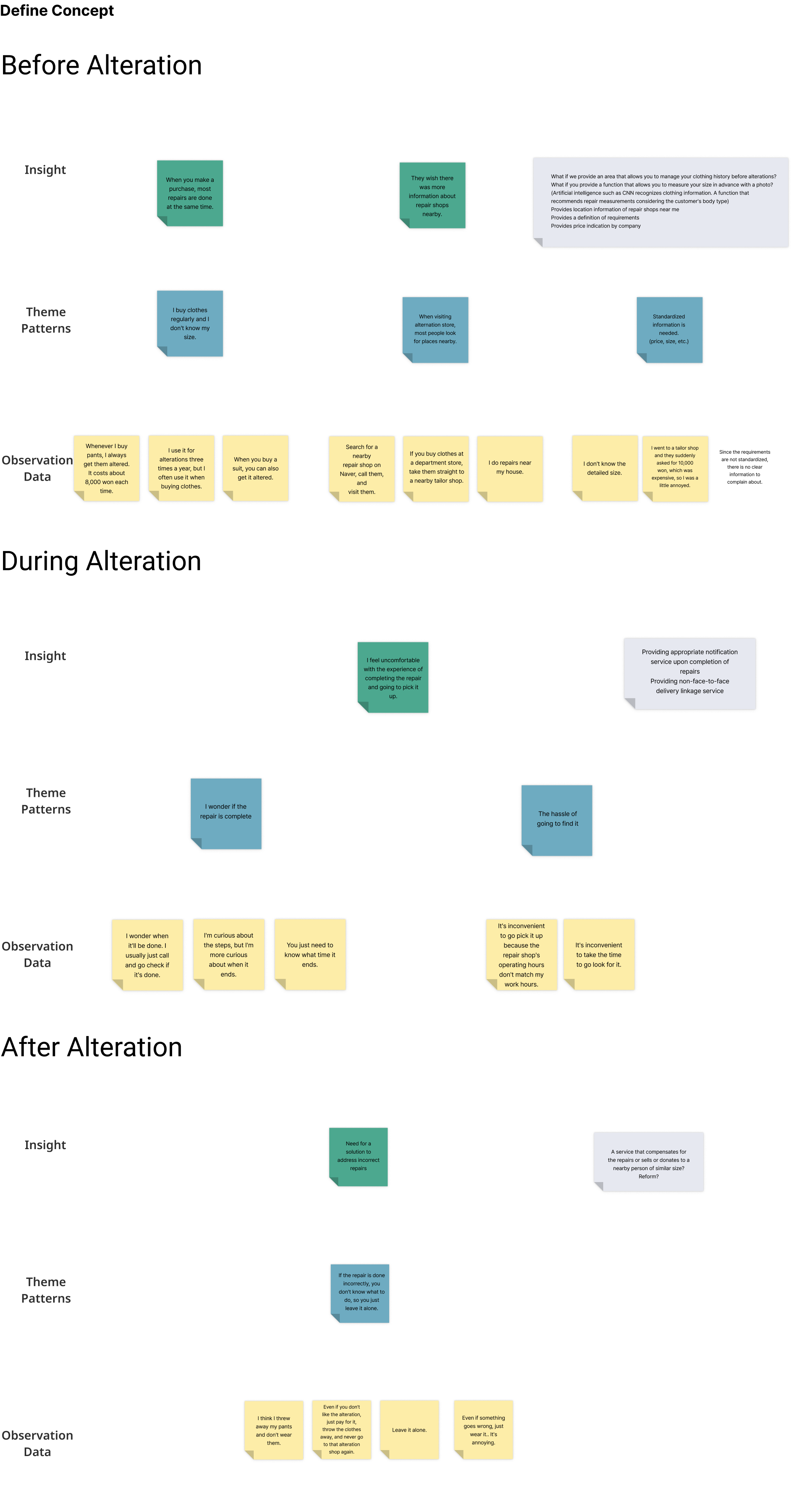
Concept
Based on insights gathered from the stages Before Alteration, During Alteration, and After Alteration, the most significant pain points were identified in the Before Alteration stage.
Therefore, the focus is on solving these issues.
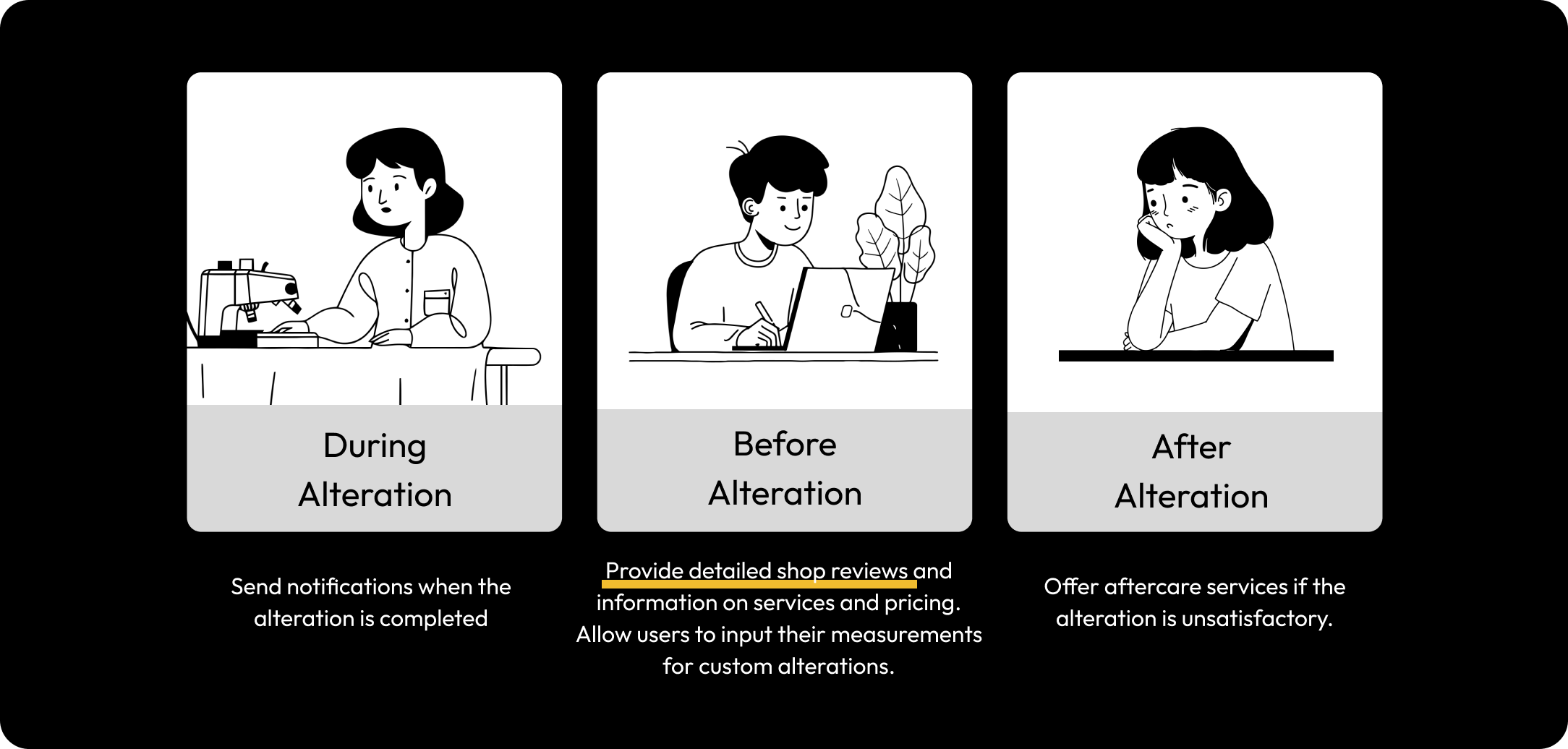
Service Define
Target Audience
- Fashion-conscious individuals in their 20s and 30s.
- People who want their clothes to fit their body shape perfectly.
- Busy individuals who find it difficult to use alteration services.
Pain Points
- Difficulty obtaining clear pricing and service details from alteration shops.
- Lack of information about shop operating hours.
- Inconvenience of picking up altered items due to busy schedules.
- No clear process for handling unsatisfactory alterations.
User Needs
- Access to reliable information about alteration shops, services, and pricing.
- Convenient delivery options for receiving altered items.
- A solution for addressing and resolving poorly executed alterations.
Solutions
- Accurate Information: Provide clear details about alteration shop services, pricing, and operating hours.
- Delivery Service: Offer delivery services for completed alterations.
- Aftercare Service: Implement a clear process for managing and resolving alteration mistakes.
Key Features
Automated Size Measurement:
- Enable immediate customization and delivery upon purchase.
- Use 3D scan & AI-powered tools to automatically measure users’ sizes, making alterations easier.
Local Shop Information:
- Offer details about local alteration shop operating hours, services, and reviews.
- Notify users when their alterations are completed.
Aftercare Service:
- Provide solutions for handling unsatisfactory alterations, such as refunds, resale to users with similar sizes, or donation options.
User Scenario - Like E-ZPass Alteration Experience
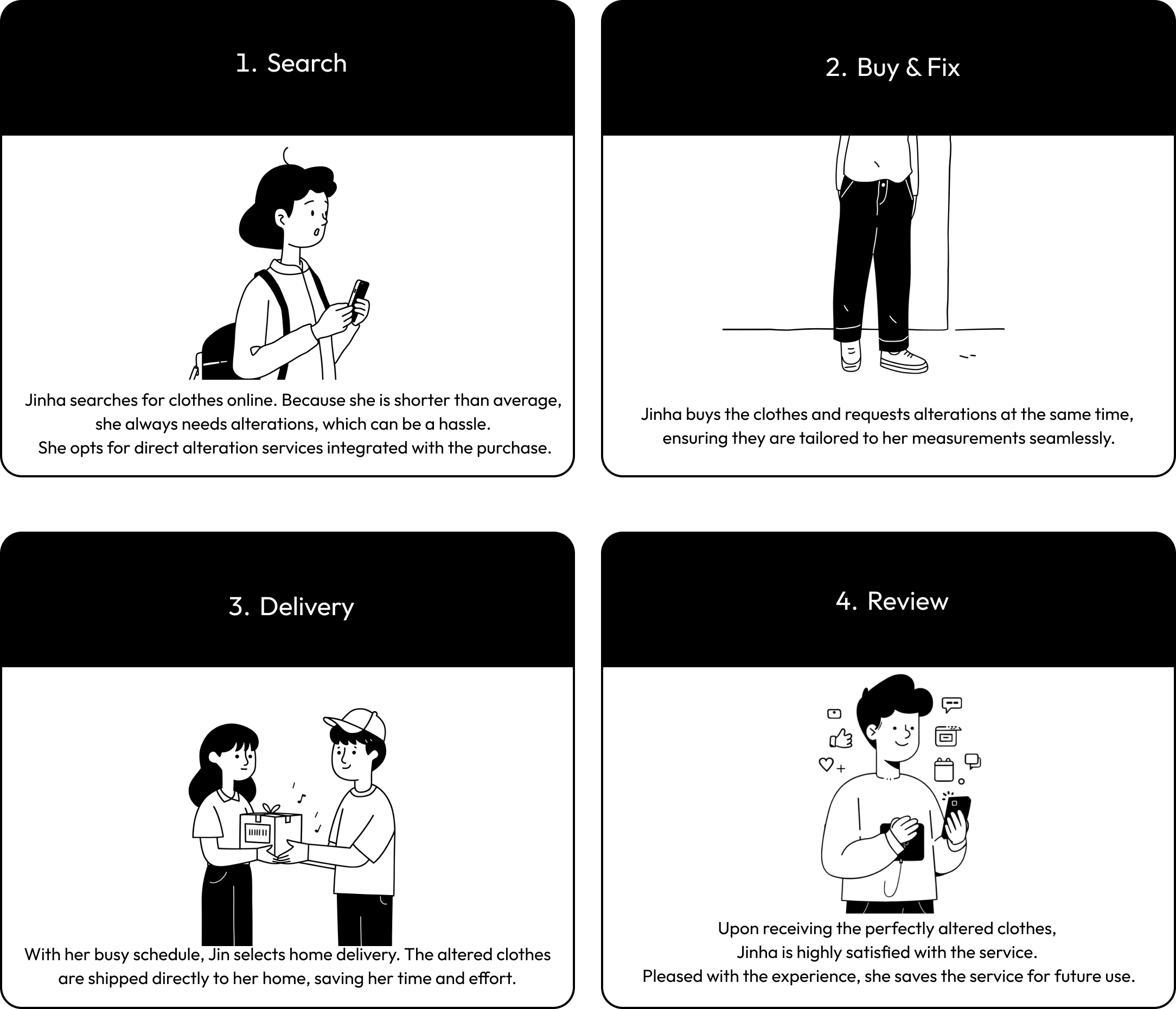
Key feature
Hi-Fidelity Design
How Will Jin-Ha Experience This App?
Key Feature 1
Size Scanning Function
When selecting the option to alter clothing during purchase, the app connects automatically after checkout.
The app conducts a body scan to automatically determine accurate measurements.
After setting the delivery location, a list of recommended alteration shops that fit Jin-Ha's needs is displayed.
Key Feature 2
Personalized Alteration Shop Search and Delivery Alerts
The app helps find alteration shops specialized in the exact services Jin-Ha needs.
Each shop highlights its areas of expertise to ensure customized service.
Once the alteration is complete, a push notification is sent, and the altered clothes are delivered conveniently to Jin-Ha’s doorstep.
Key Feature 3
Re-Alteration and Collection Service
If the alteration is not satisfactory, the app allows Jin-Ha to request a re-alteration.
Alternatively, clothes can be collected to support recycling, promoting resource circulation and sustainability.
Design System
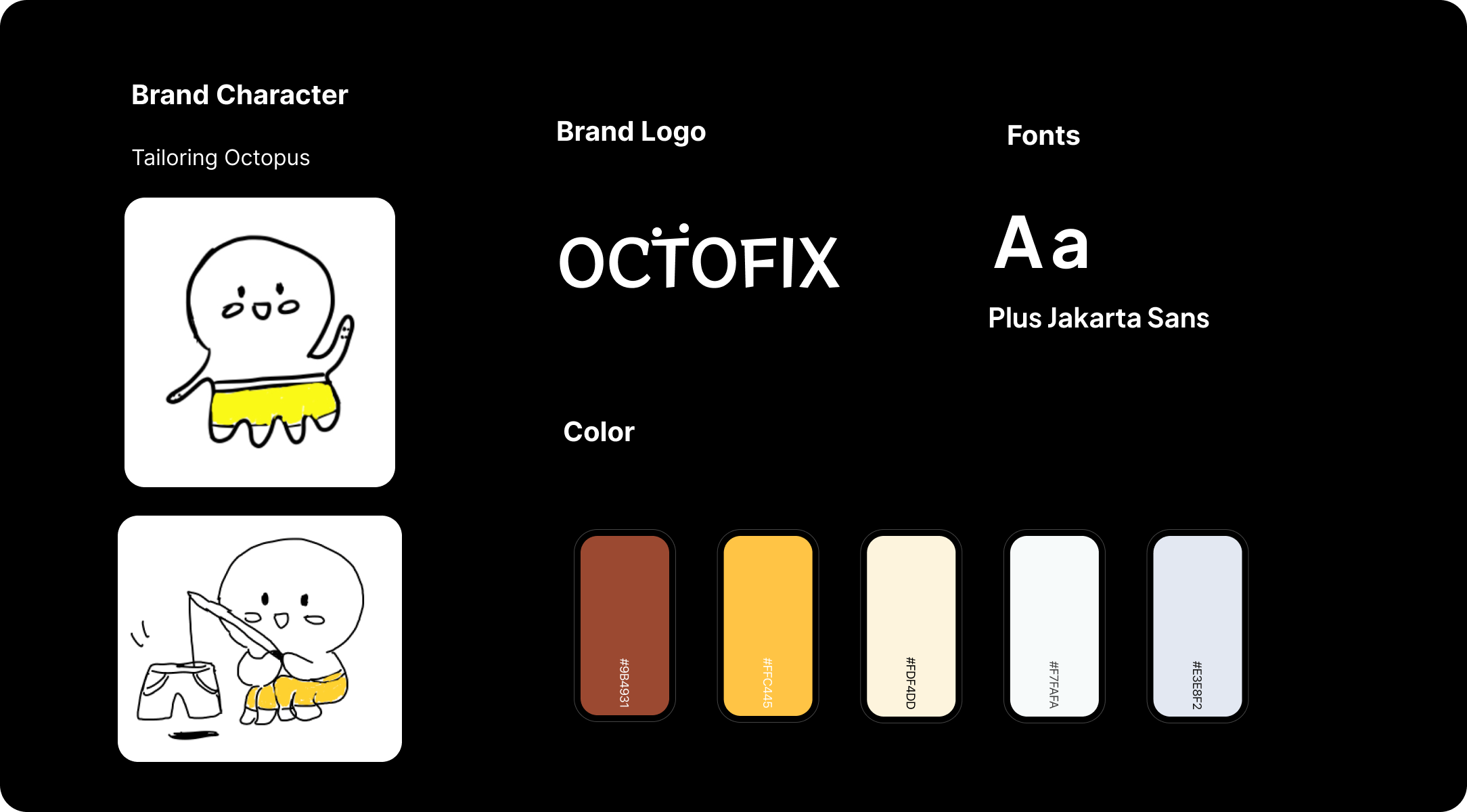
Problems We Solve
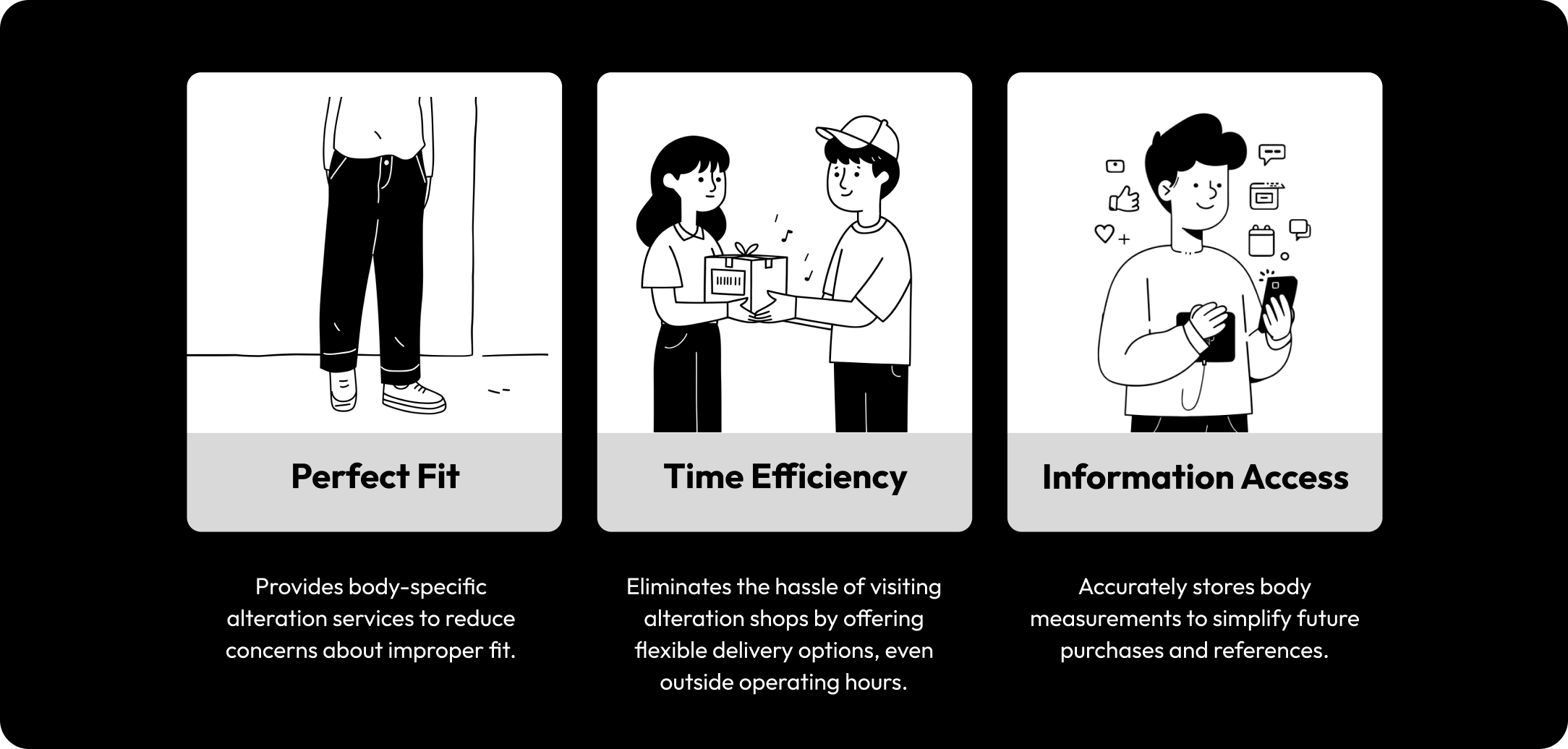
Next Steps
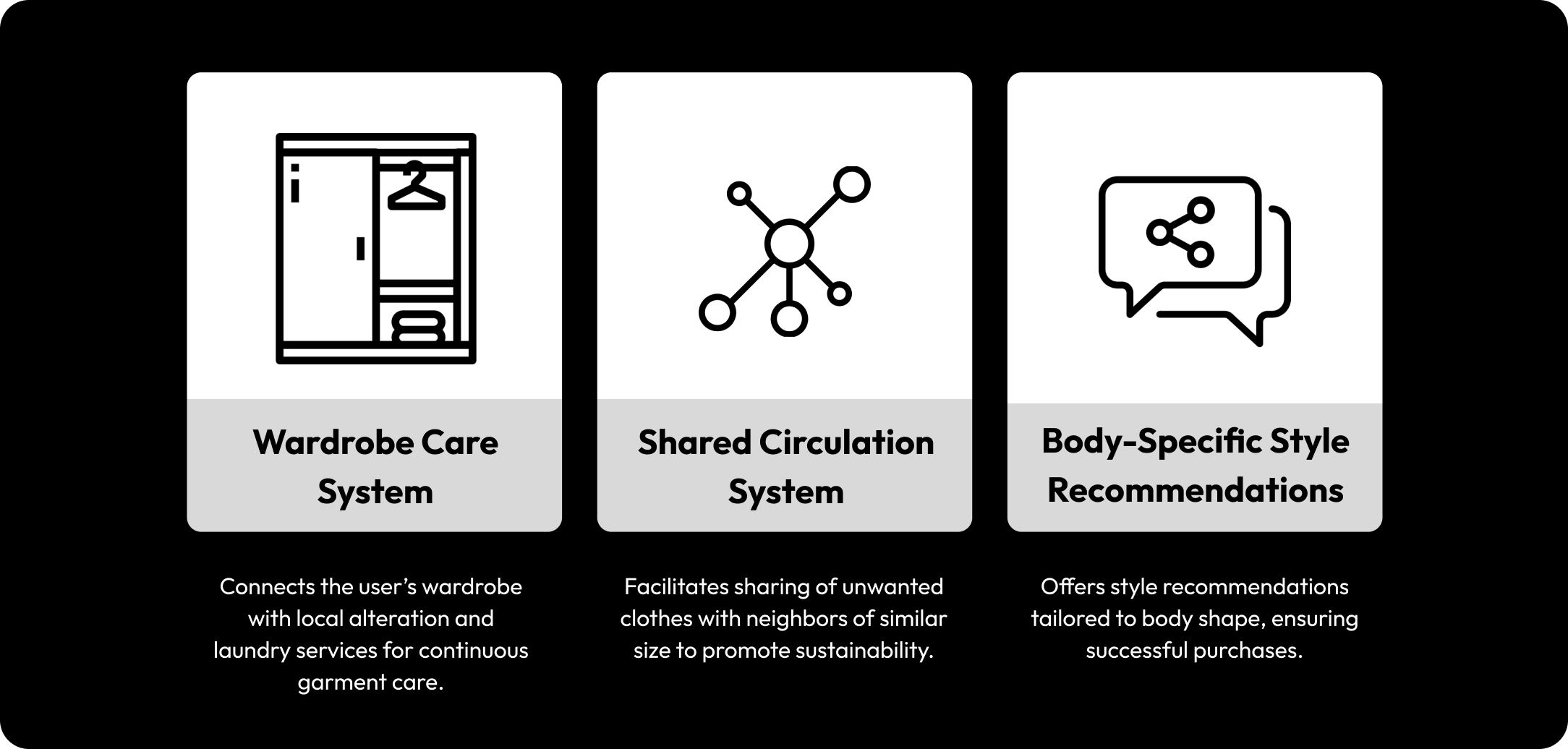
Reflection
Initially, the idea stemmed from addressing fast fashion and reducing excessive consumption by showing users their buying patterns. However, through research and interviews, I discovered the real issue lies in people not wearing clothes long enough.
Additionally, finding and visiting alteration shops was inconvenient for many.
This project reinforced the importance of analyzing user behavior and addressing real-world challenges to create effective solutions.
See next
 Ready Action: An AI Scene Partner That Listens, Performs, and Coaches
 Gus in the Room: Bringing a Dog Into the Classroom Through a Robot’s Eye
 Toilet Delivery: Dignified Restroom Access for NYC Delivery Workers
 Sober Buddy: An AI Player That Joins the Table
 Budgie: Keeping Friendships Alive, One Chirp at a Time
 Dusty & Co.: Designing “Soft Clarity” for a Pottery Studio
 DriveBoy: An Emotional Co-Driver for Long-Haul Truck Drivers
 Industrious: Creating Natural, Authentic Connection in Shared Workspaces
 Hereiam: An AI-Driven Psychological Care Service
 Baekgomtang: A Climate Crisis Campaign Website
 Exhibition Assistant: Planning an Exhibition Day Made Easy
 O!house Re-design: Personalized Home Tours and Deals← All work