
Sober Buddy: An AI Player That Joins the Table
Party games fall flat when there aren’t enough people. We built a physical AI player that joins the table and keeps the game going by listening, giving clues, voting, and sometimes bluffing.
Skip to solutionAt a glance
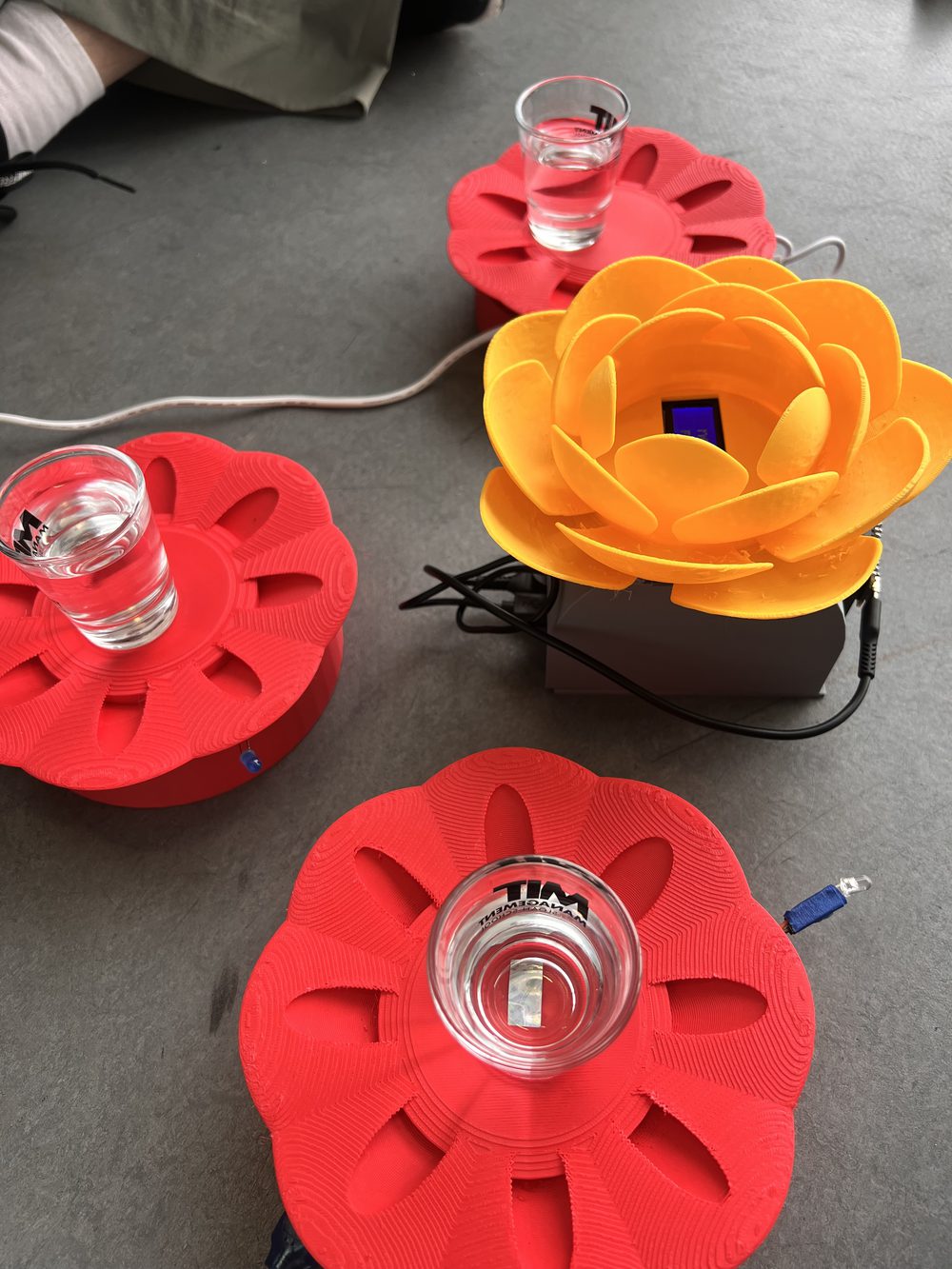
- 1lotus-shaped AI host at the center of the table
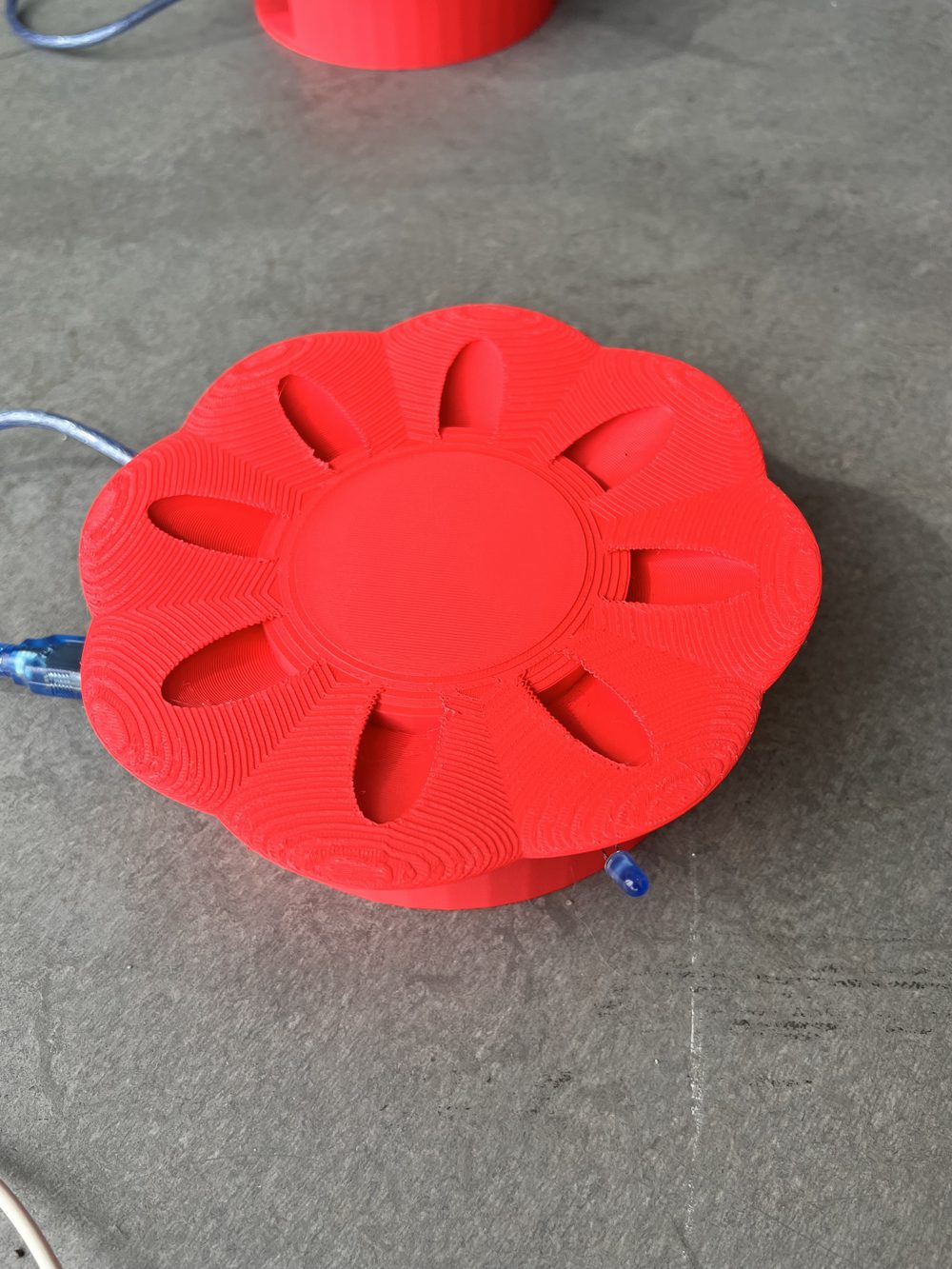
- 4leaf-shaped LED coasters, one per player
- 5ESP32 boards talking over ESP-NOW
- 1AI player that listens, gives clues, votes and bluffs
Inspiration
What if the AI could lie, too?
Social deduction games like Mafia or Imposter are fun because they run on deception, bluffing and reading other players.
We were curious what would happen if AI joined these games not just as a moderator, but as a player who can tell convincing lies. Sober Buddy explores AI as a playful social participant, and pairs it with a physical tabletop so game nights feel more interactive, surprising and fun.
What it does
A lotus host, leaf coasters, and an AI that bluffs
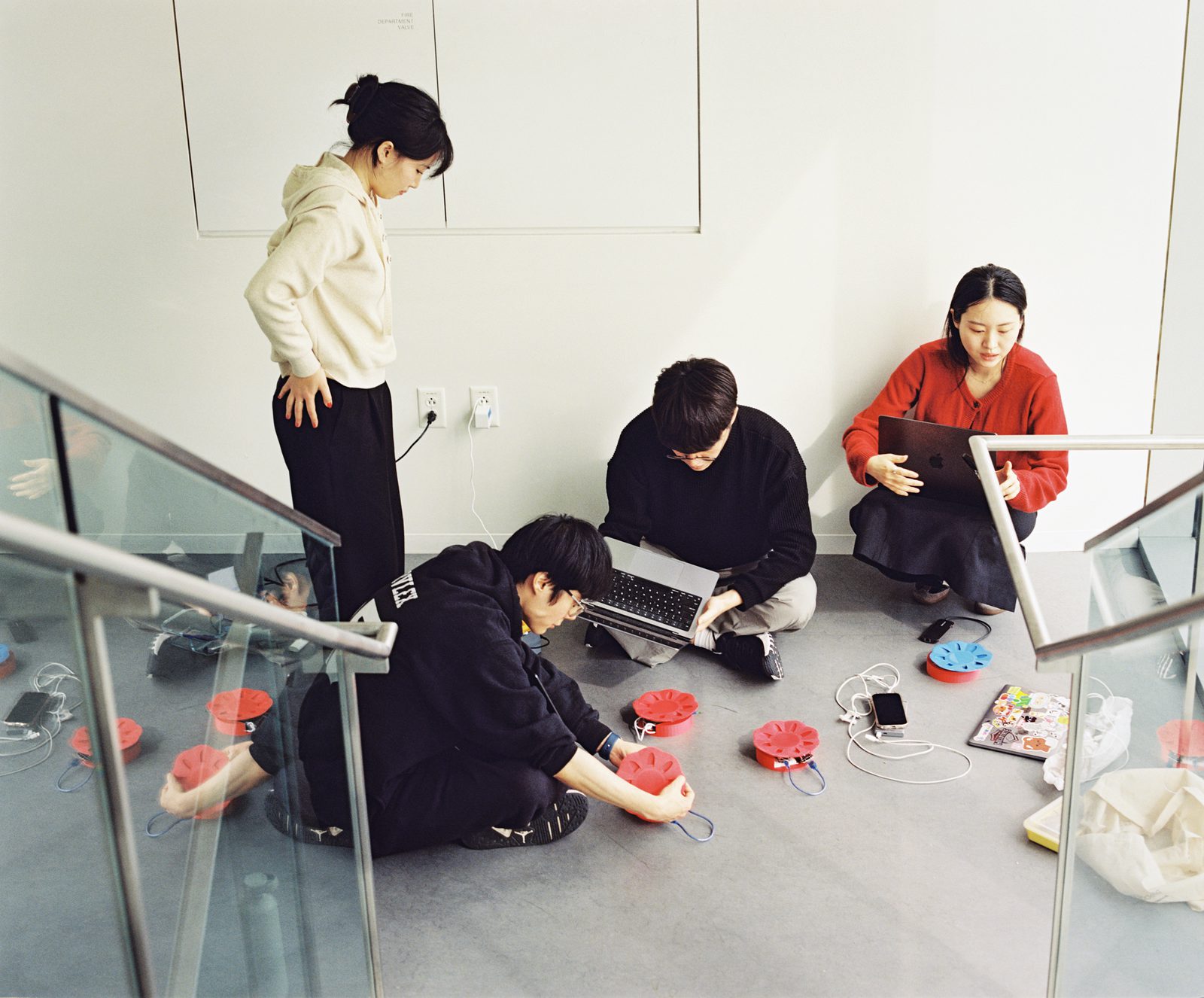
Sober Buddy is an AI-powered social game where the AI is both the host and a player. In the first prototype it plays an Imposter-style game, generating clever lies and talking with players as the round unfolds. It remembers players and greets them by name.

Lotus host
LED coaster
At the table
How a round feels
- The lotus-shaped central device runs the game and shows prompts like “next player, please come.”
- Each player has a leaf-shaped coaster. Its LED lights up to guide turns and signal interactions.
- The AI listens, gives its clue, votes, and sometimes lies to stay hidden.
How we built it
AI software meets physical computing
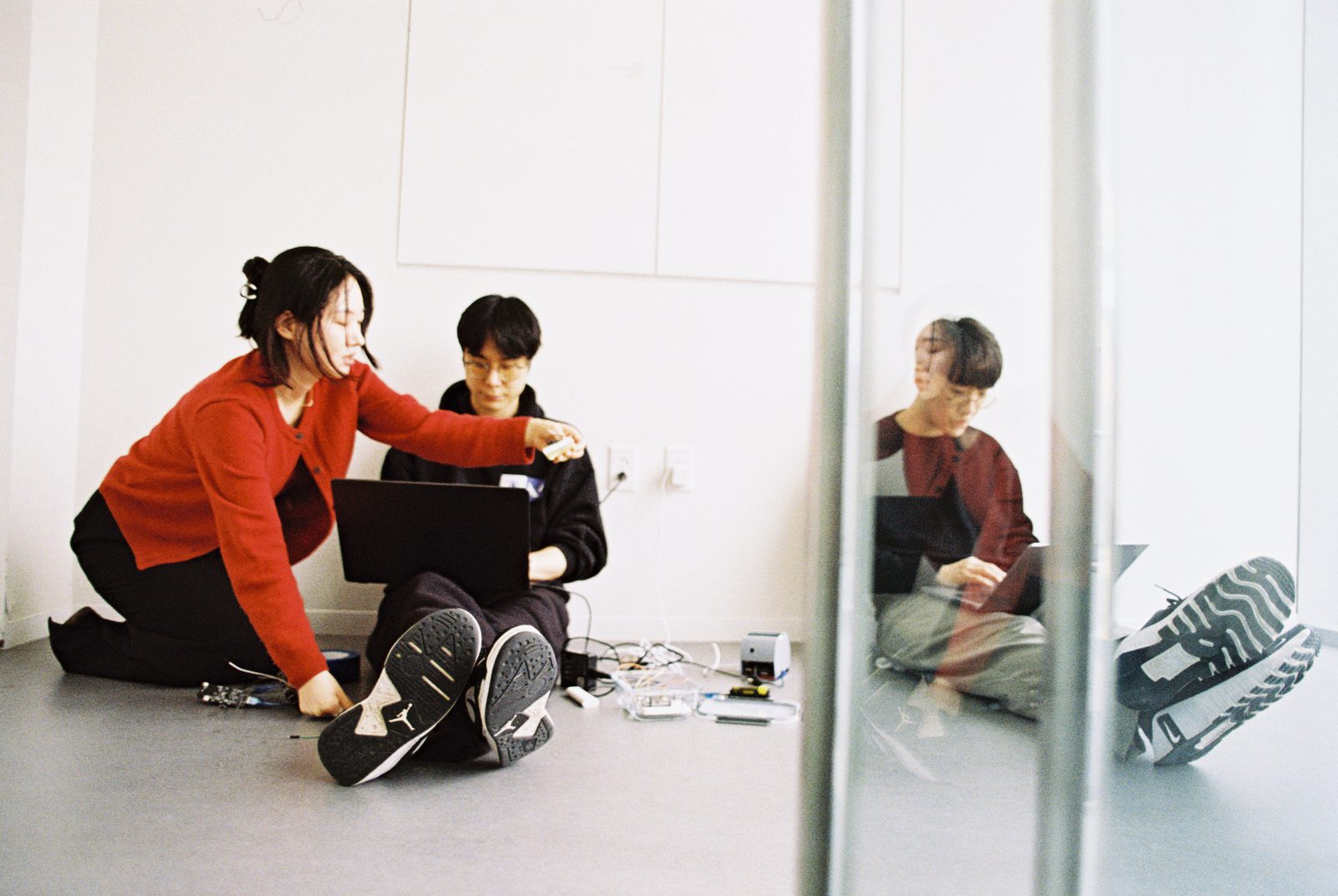
A Raspberry Pi runs the AI and the game logic. It talks to the table through an ESP32 bridge, which wirelessly lights the right coaster at the right moment.
Raspberry Pi
Runs the AI player (OpenAI LLM): dialogue, clues, votes and lies
ESP32 Nano bridge
Receives CMD,target,command over serial
ESP-NOW
Wireless packets to one coaster or all at once
4 ESP32 coasters
Each turns its LED on or off to cue that player
Challenges
Teaching a machine to bluff, on time
Convincing deception
Unlike rule-based games, lying well needs flexible, context-aware responses. Designing how the AI could bluff believably was our biggest challenge.
Hardware ↔ AI sync
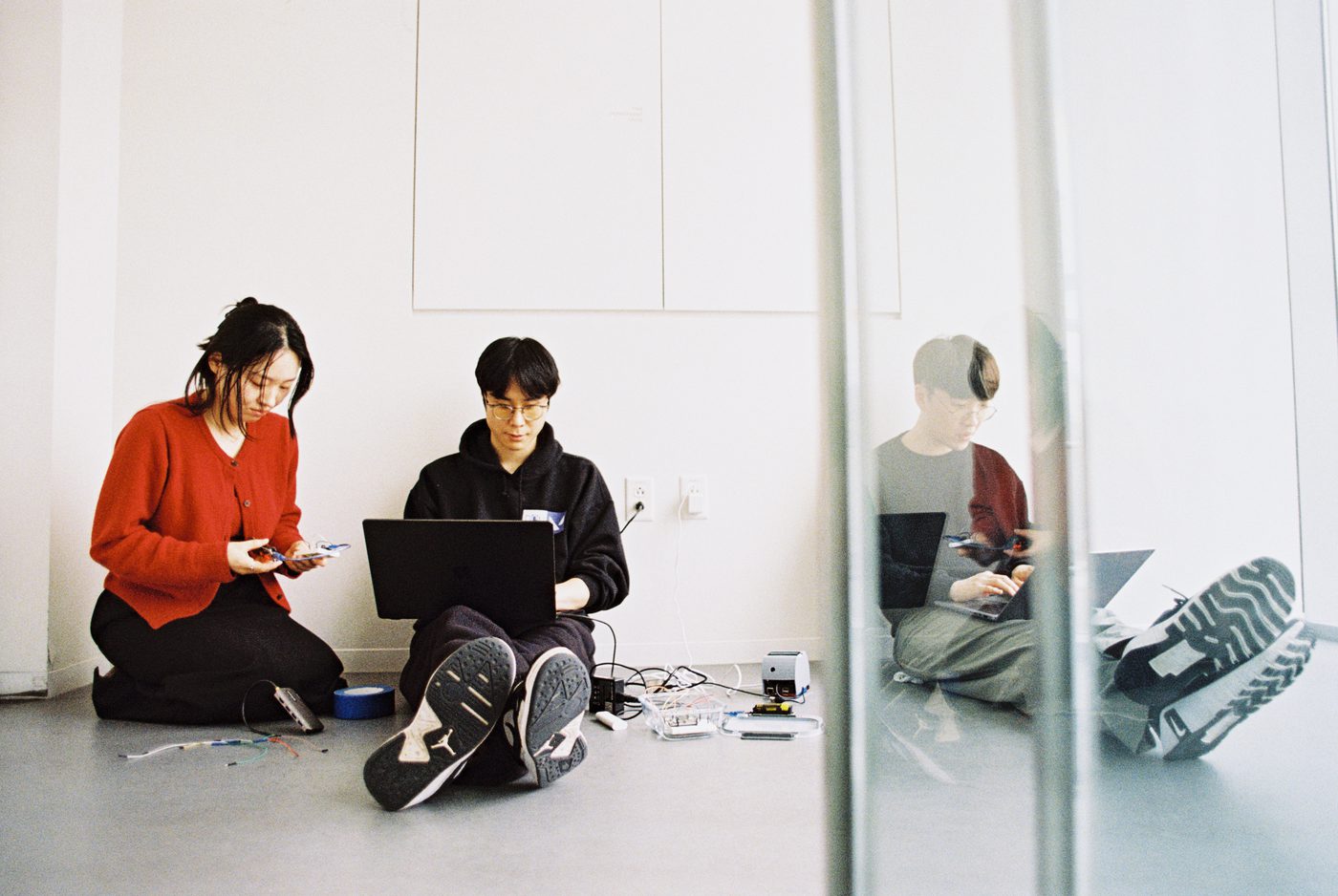
We had to keep Arduino/ESP32 signals in step with the AI’s turns, and design LED feedback that clearly communicates what’s happening in the game.
Outcome
A playful character, not just a tool
What we’re proud of
- A working prototype that combines AI gameplay with a physical tabletop interface.
- AI that joins a social game as a playful character rather than a utility.
- A cohesive experience where hardware, AI dialogue and game design work together.
What we learned
- AI can act as a social participant, not just a background system.
- Physical interaction makes digital experiences feel more engaging and collaborative.
- Pairing AI with hardware opens up new ways to design playful social experiences.
What's next
From one game to a platform
The prototype focuses on an AI Imposter game. The long-term vision is an AI-powered social game platform, exploring AI as a new kind of playful companion at the table.
- More AI-hosted party games
- AI storytelling games
- Adaptive games that learn how players behave
- Expanded physical interaction
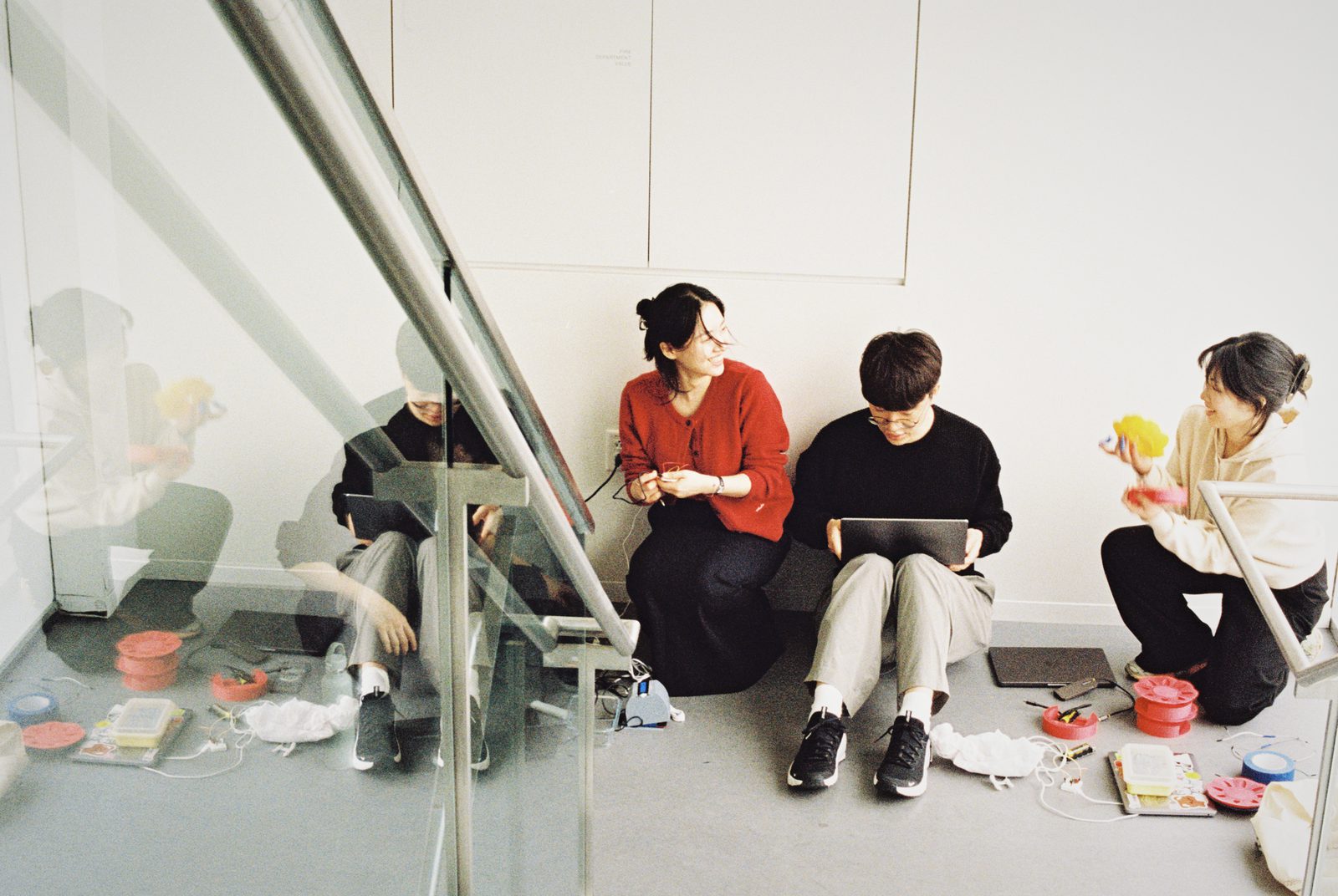
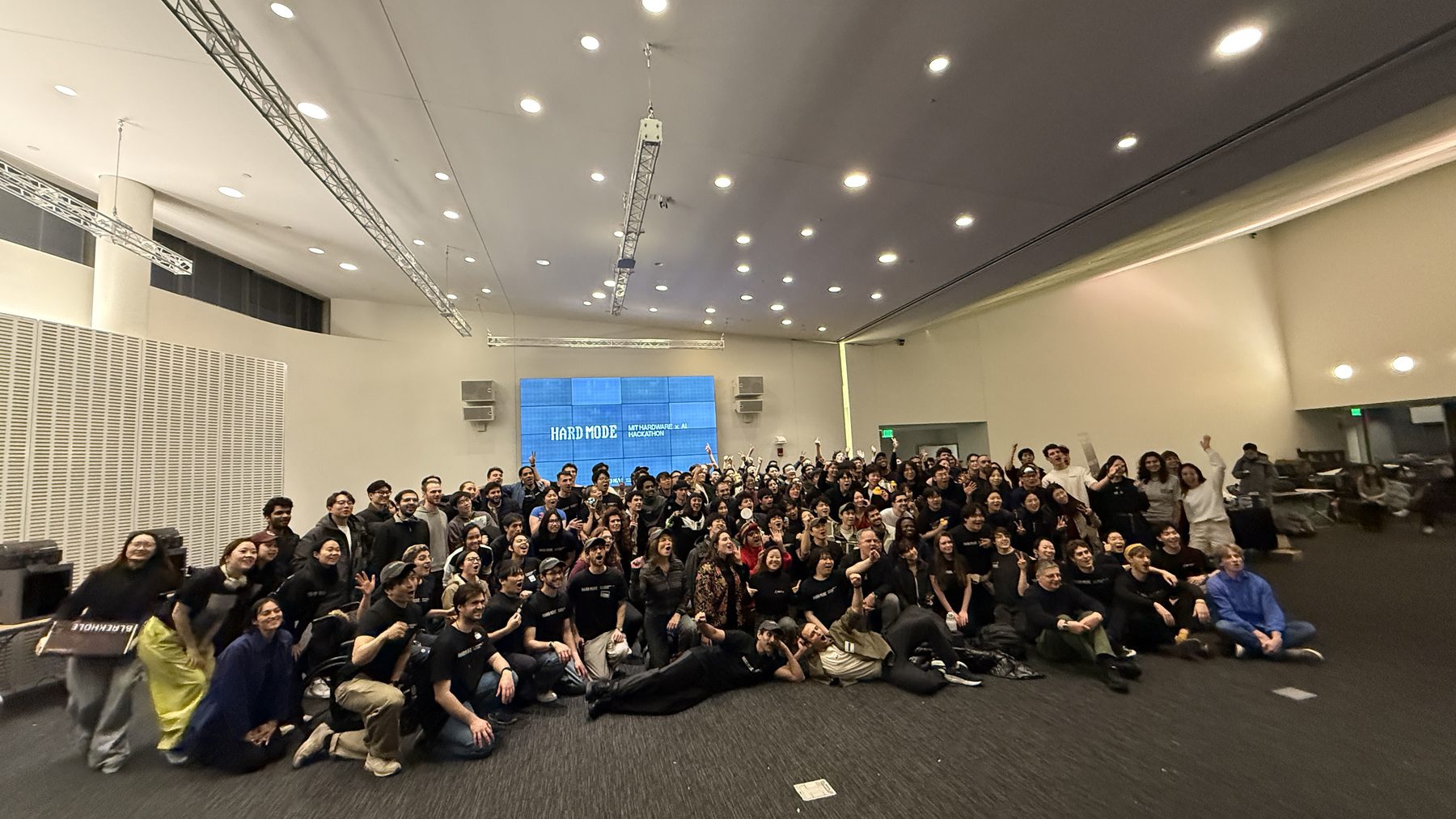
HARD MODE: MIT Hardware x AI Hackathon, Day 3
See next
 Ready Action: An AI Scene Partner That Listens, Performs, and Coaches
 Gus in the Room: Bringing a Dog Into the Classroom Through a Robot’s Eye
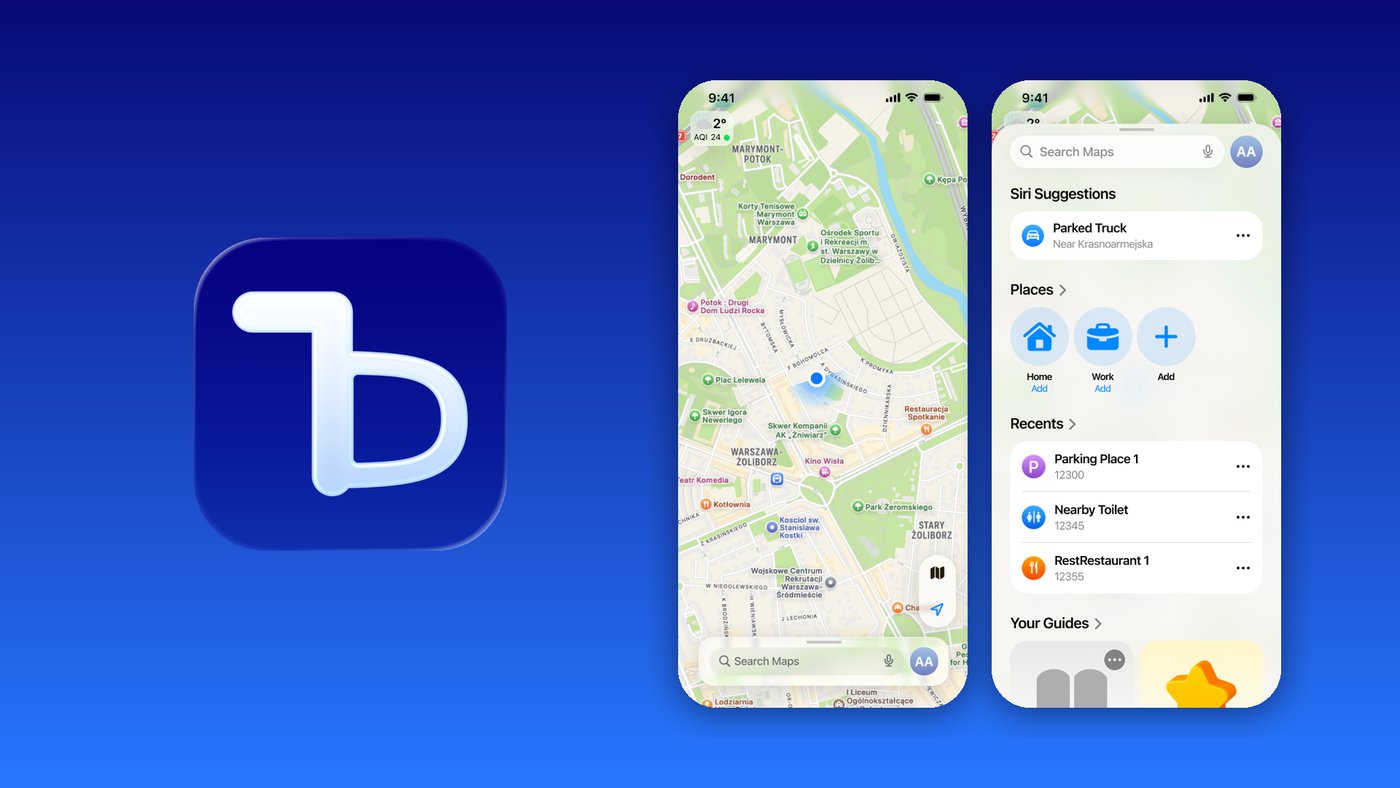 Toilet Delivery: Dignified Restroom Access for NYC Delivery Workers
 Budgie: Keeping Friendships Alive, One Chirp at a Time
 Dusty & Co.: Designing “Soft Clarity” for a Pottery Studio
 DriveBoy: An Emotional Co-Driver for Long-Haul Truck Drivers
 Industrious: Creating Natural, Authentic Connection in Shared Workspaces
 Hereiam: An AI-Driven Psychological Care Service
 Baekgomtang: A Climate Crisis Campaign Website
 Octofix: A Direct Alteration Service for Purchase and Repairs
 Exhibition Assistant: Planning an Exhibition Day Made Easy
 O!house Re-design: Personalized Home Tours and Deals← All work