Dusty & Co.: Designing “Soft Clarity” for a Pottery Studio
Turning a warm but confusing first visit into a clear, supportive journey, from booking a Try Class to picking up a fired piece weeks later.
Skip to solutionAt a glance
- 20–30%of Try Class guests convert to membership today
- 3–4 wksof silent waiting between class and pickup
- 5studio stakeholders interviewed
- 2 hrco-design workshop with the founders
Context
Who is Dusty & Co.?
Dusty & Co. is an independent, community-driven ceramics studio in NoMad, Manhattan. It is not a one-time “take photos and leave” kind of place, and it is not a serious, scary art school. Instead, it aims to be a friendly and energetic creative community for all.
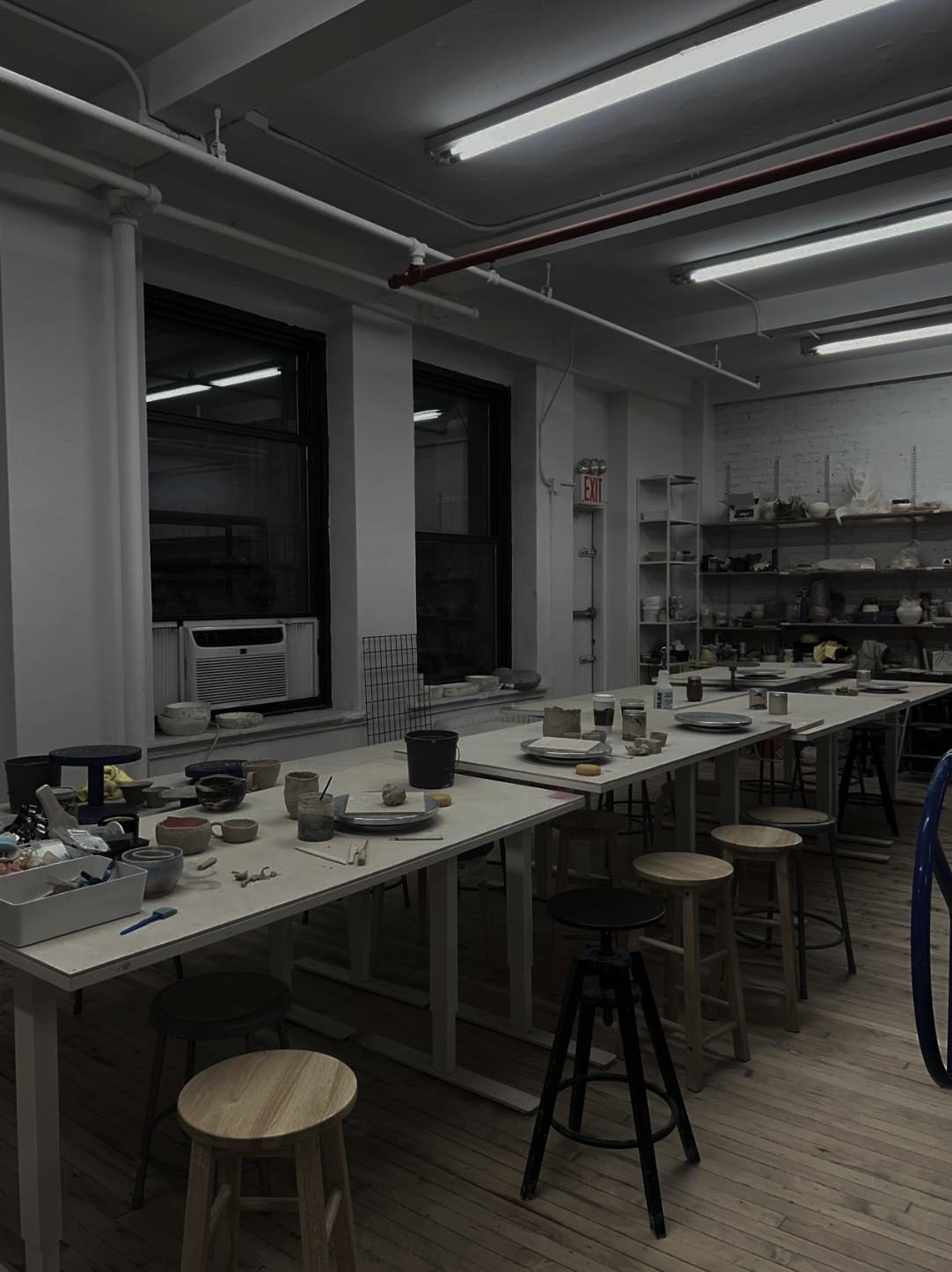
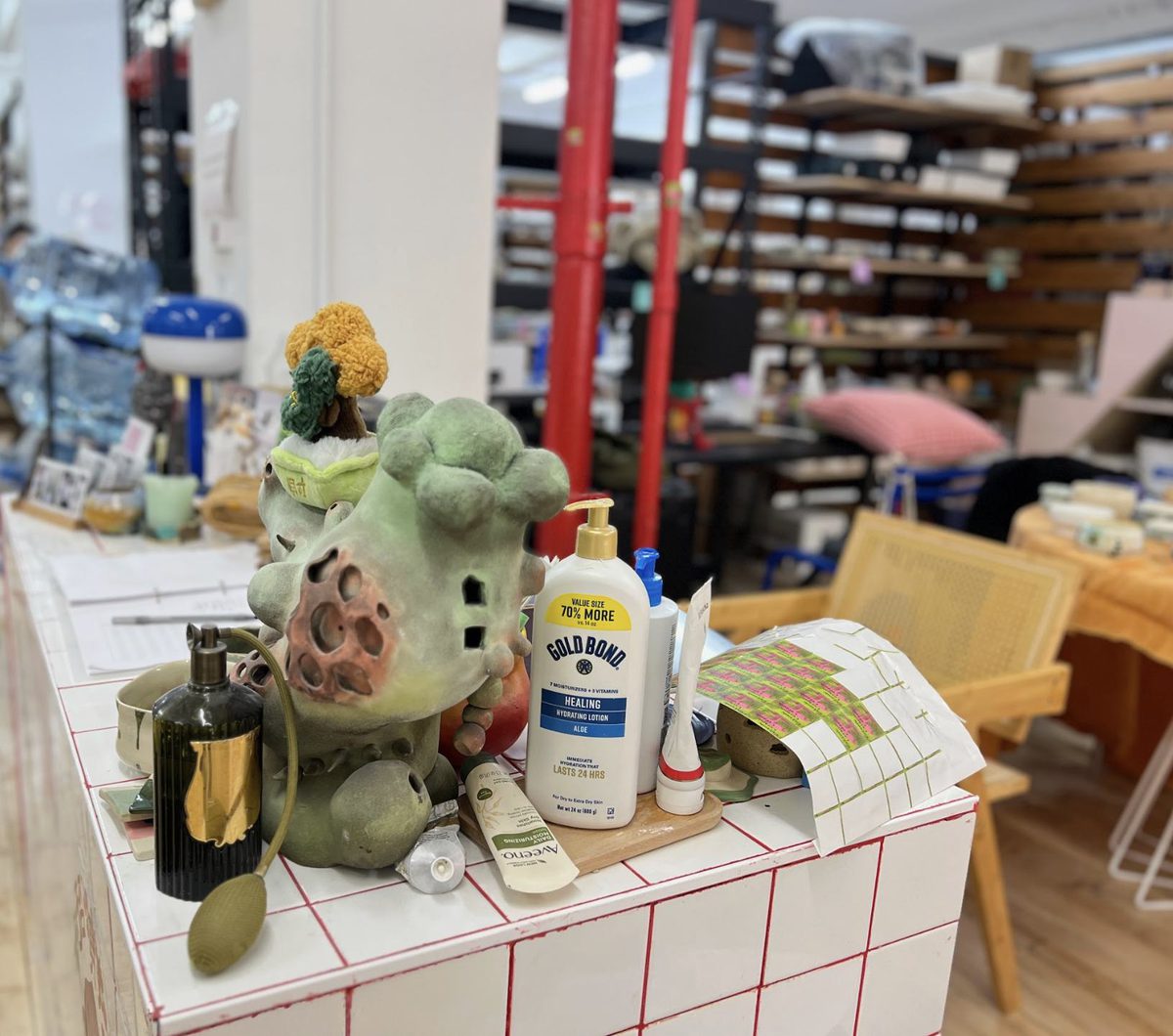
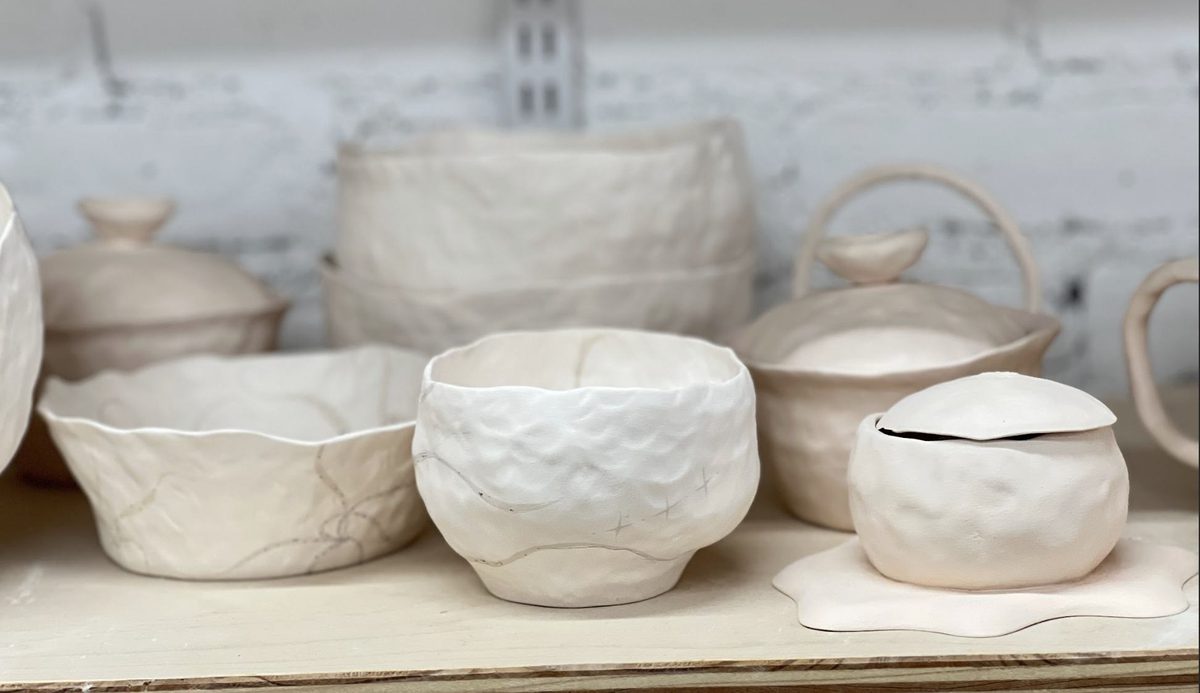
The “Dusty” vibe
The name “Dusty” has two meanings, and together they shape the soul of the brand.
Physical meaning
It comes from the real dust and clay marks that appear when making pottery, a reminder that this is hands-on work.
Emotional meaning
A “non-commercial” attitude. The founders don’t want the studio to feel like a factory or a super-clean showroom. They keep a rough, relaxed feeling so people can create freely, as if they were in a place they already know and love.
The “Dusty” opportunity
Current customer base
- Students taking classes→ Try / Experience Class→ Semester Class
- Corporate professionals (software engineers, architects) looking for a creative “third space”→ Meditation→ Social connection
Opportunity spotted
“Current conversion rates from Try Class to membership hover around 20–30%.”
Source: Dusty & Co. founders interview
Research
Listening to both sides of the counter
We combined interviews with the studio team, conversations with customers, and shadowing of the full Try Class journey, then brought the founders into a co-design workshop.
Stakeholder Interviews
2 founders, 1 instructor and 2 front-desk staff.
Identify the operational pain points.
Customer Interviews
Deep dives with long-term customers and observations of Try Class participants.
Sense the customer’s pain points.
Shadowing
Documenting the end-to-end journey, from booking to pickup.
Sense the customer’s pain points.
Co-design Workshop
A 2-hour session with the founders to map journeys and validate concepts.
Co-create solutions that bridge the conflicts.
Problem
Three gaps in the first-time journey
Interviews and shadowing pointed to the same moments where the studio’s warmth gets lost: before arrival, while waiting for a piece, and in what beginners expect to take home.
The “Invisible” Onboarding
New guests arrive without knowing what to expect, where to go, or what the rules are.
- “Invisible” digital confirmation
- “Invisible” physical wayfinding
- Confusion after arrival
The “Black Box” of Waiting
The 3–4 week firing period is obvious to the founders, but for customers it becomes an anxious information gap.
- Process invisibility
- The digital disconnect
- Operational burden
Expectation Mismatch
A beginner’s imagination is very different from the real experience of making pottery.
- Difficulty gap (the TikTok effect)
- Result gap (buying vs. creating)
- Time gap (instant vs. 3–4 weeks)
How might we
…design an environment that feels clear, informative, and supportive for customers?
Co-design Workshop
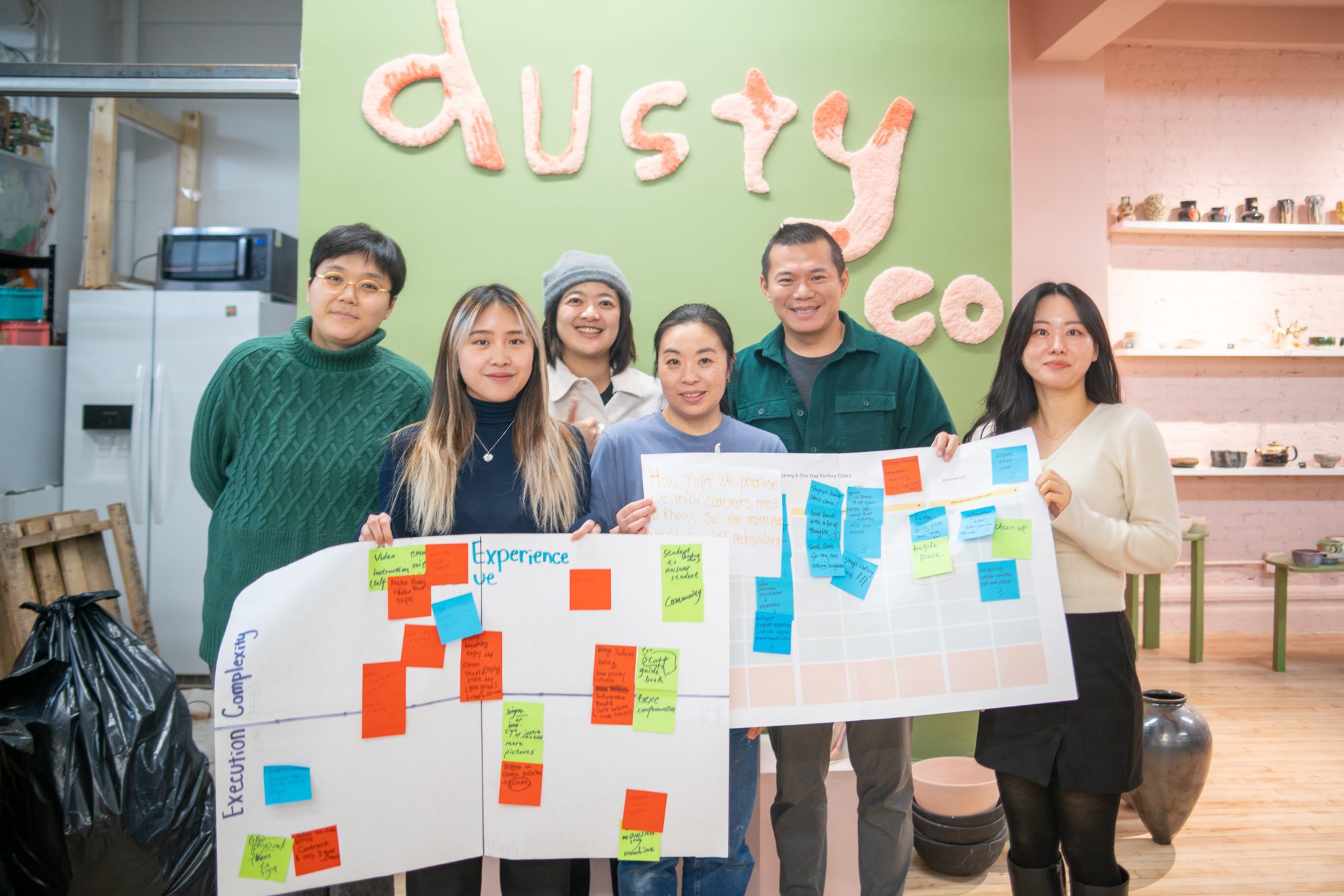
Designing with the founders, not for them
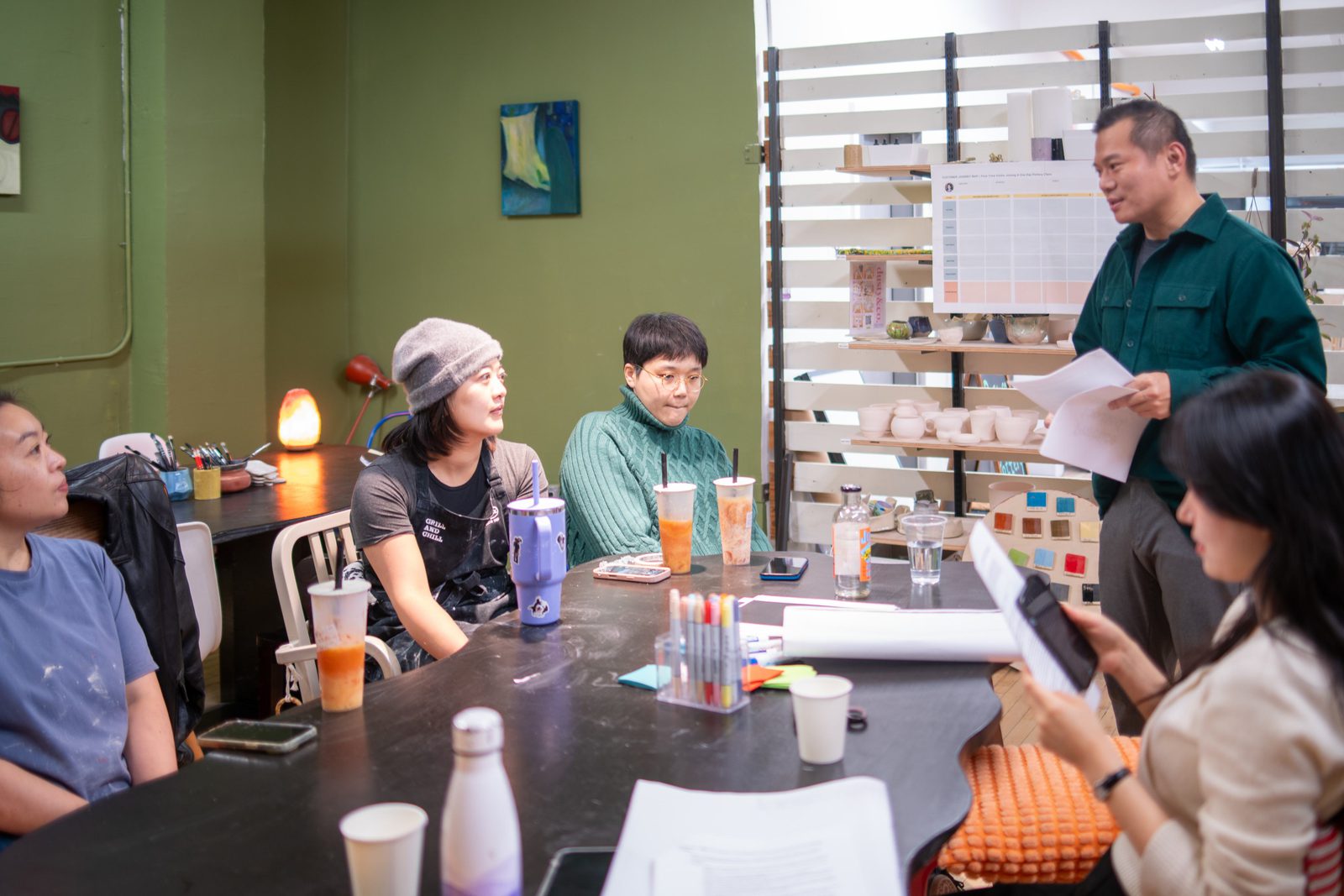
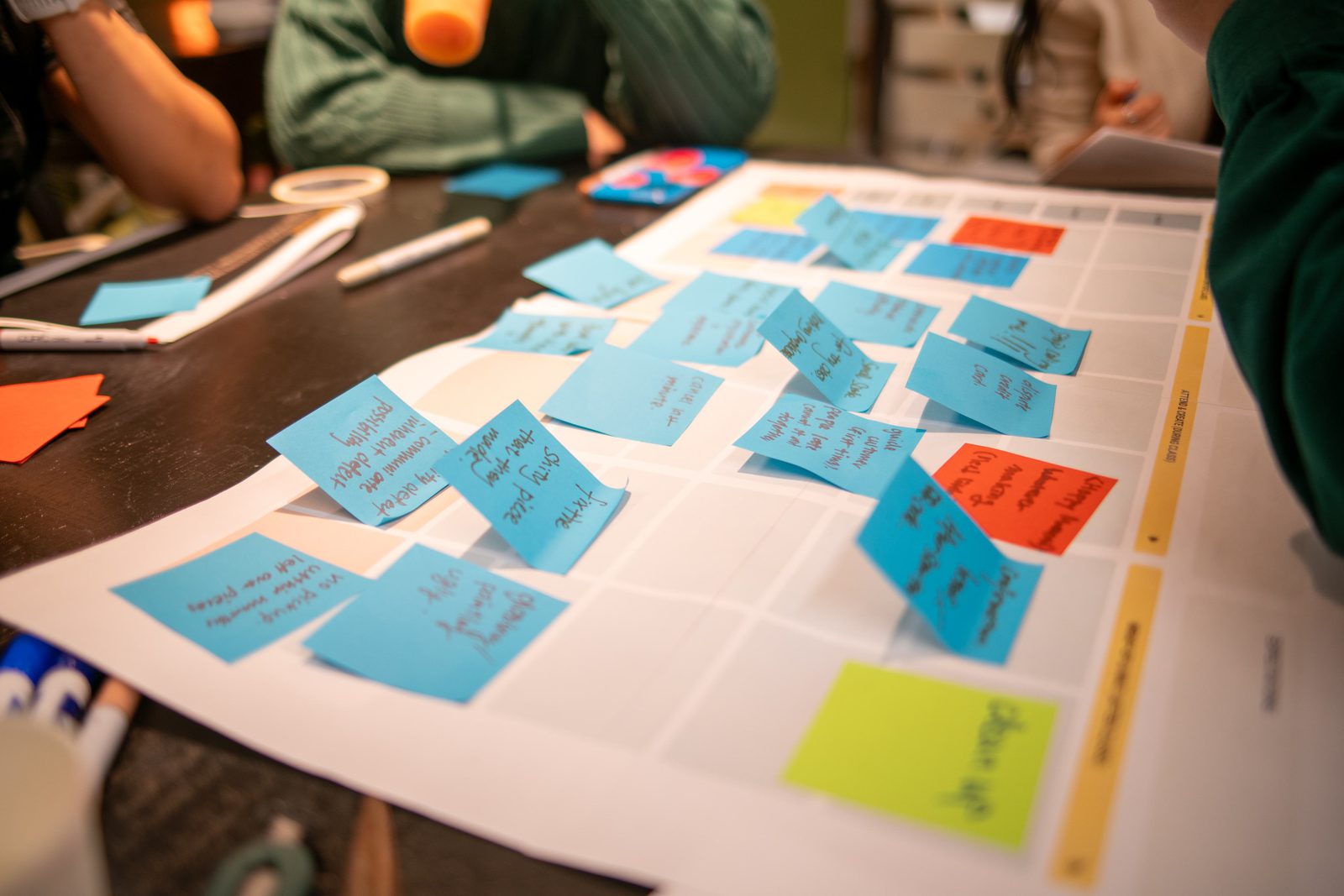
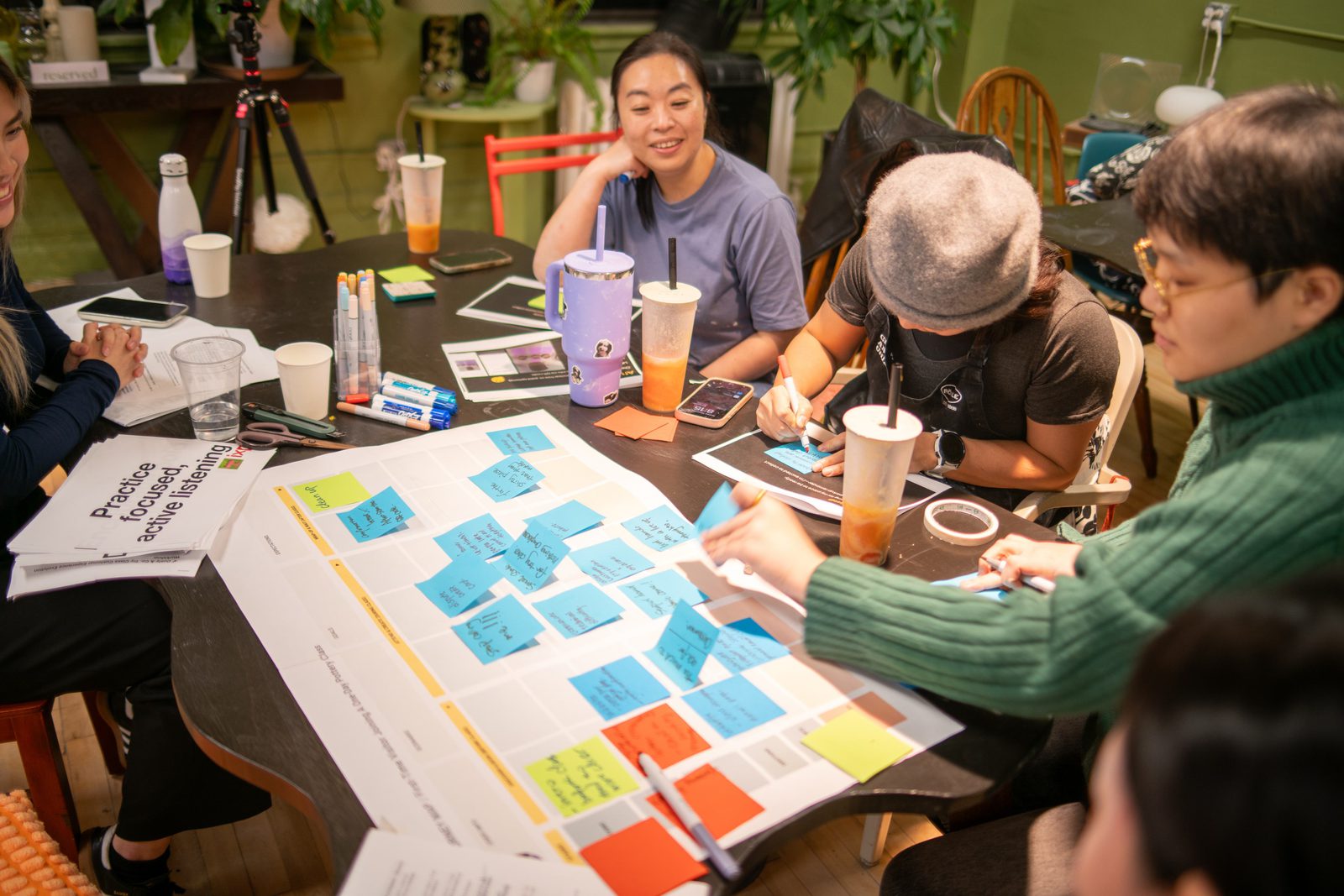
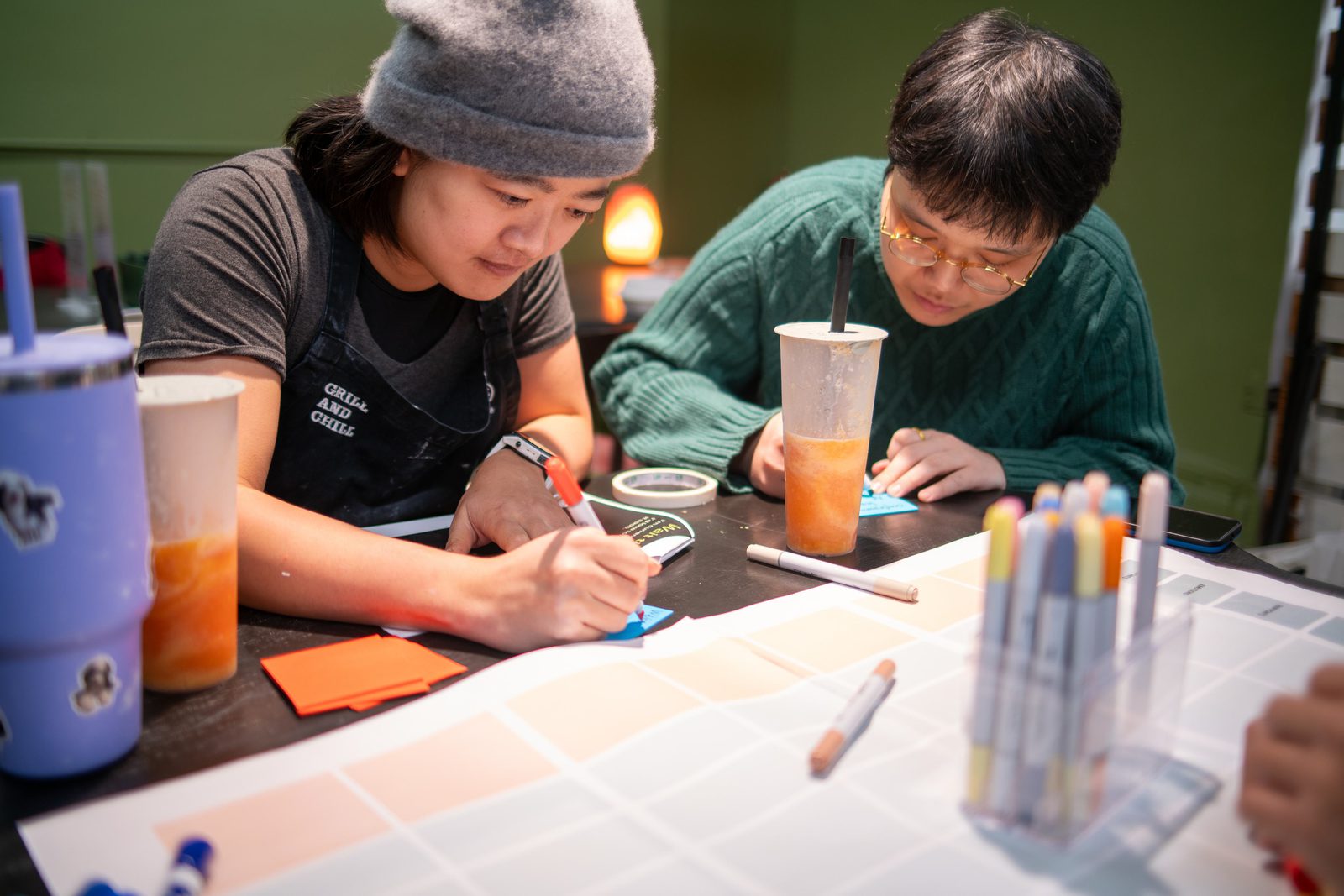
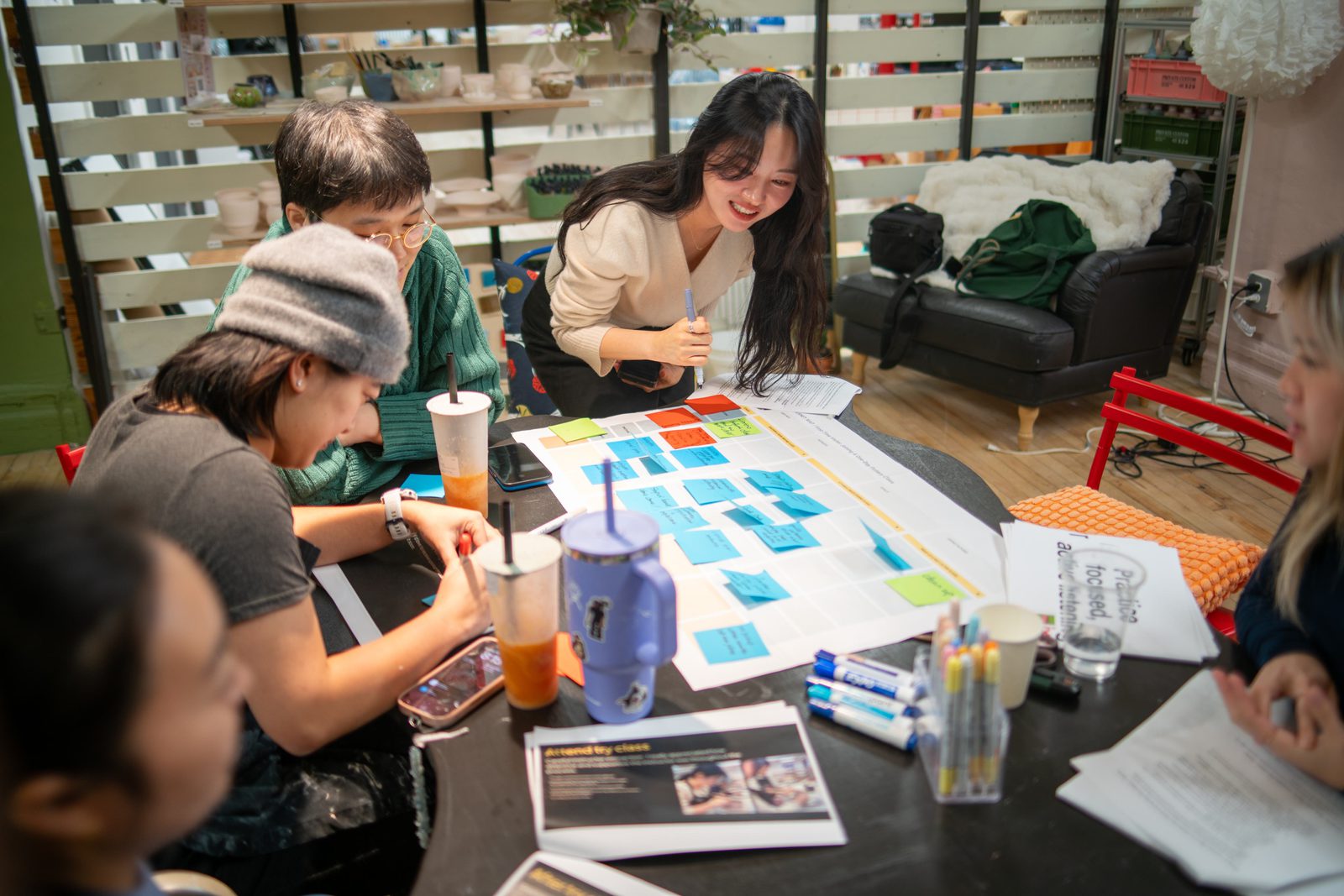
In a 2-hour session at the studio, we walked the founders through a real first visit and worked through the problem together in four steps.
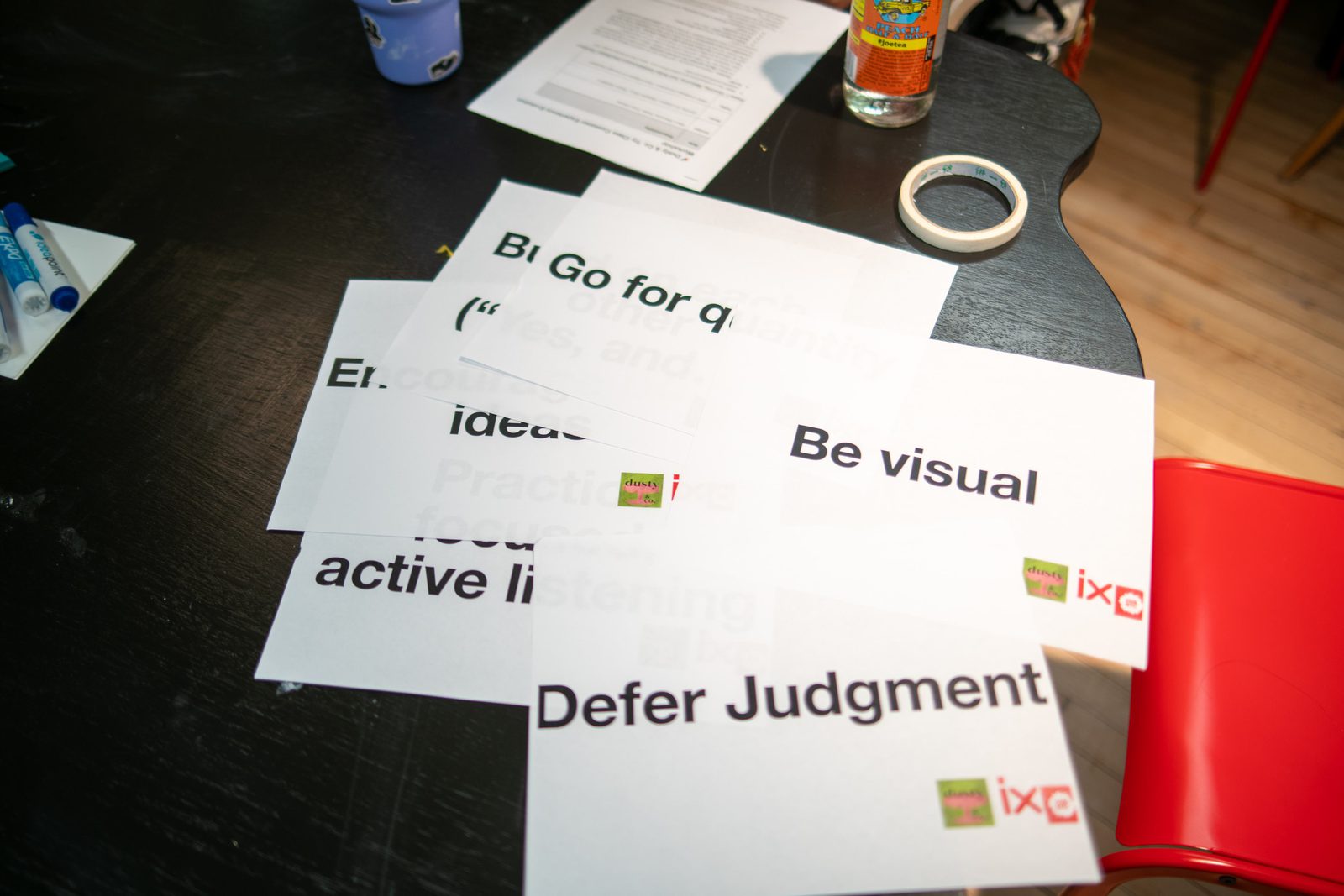
01Collaboration Ground Rules
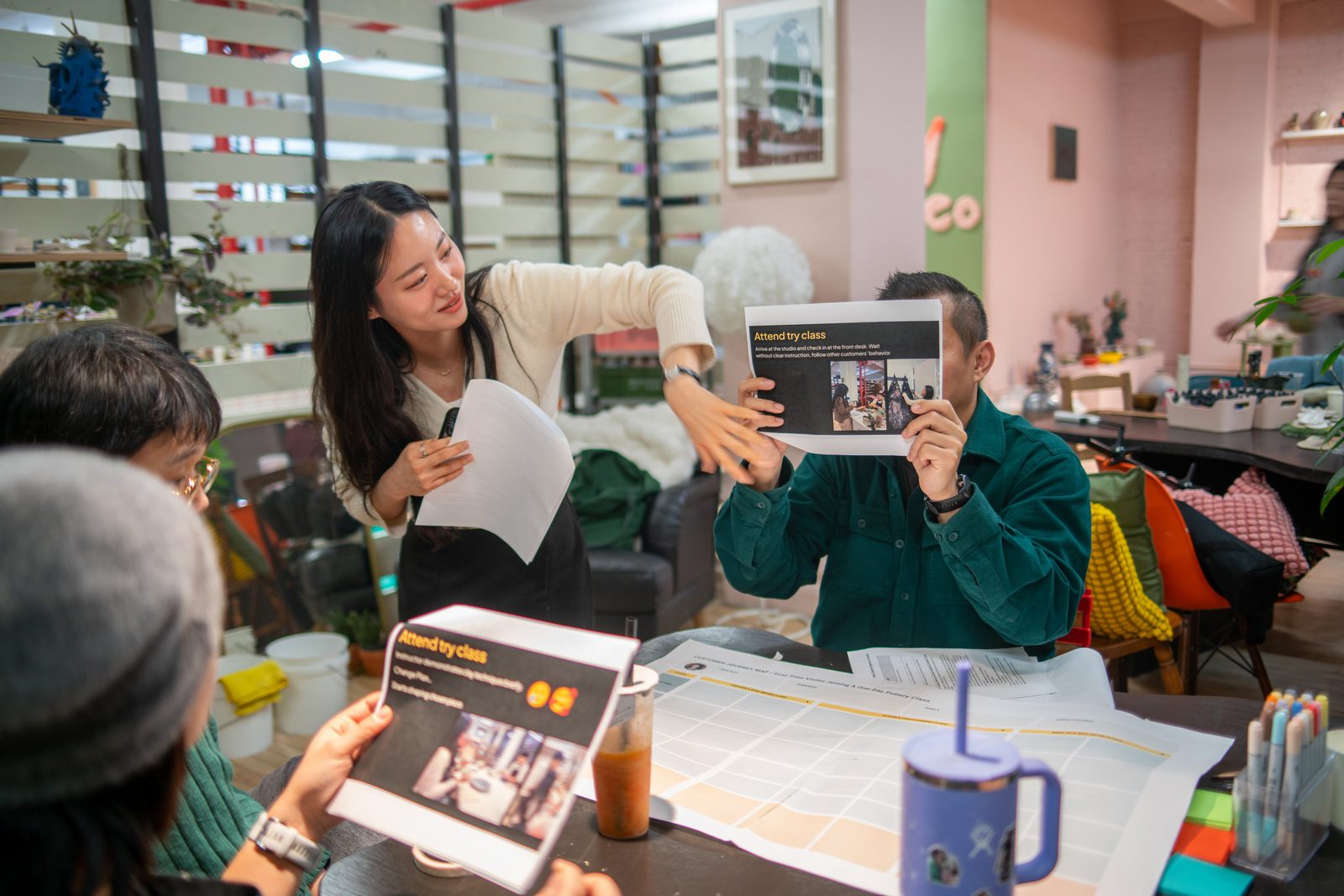
02Seren’s Real Try Class Experience & Pain Point Writing
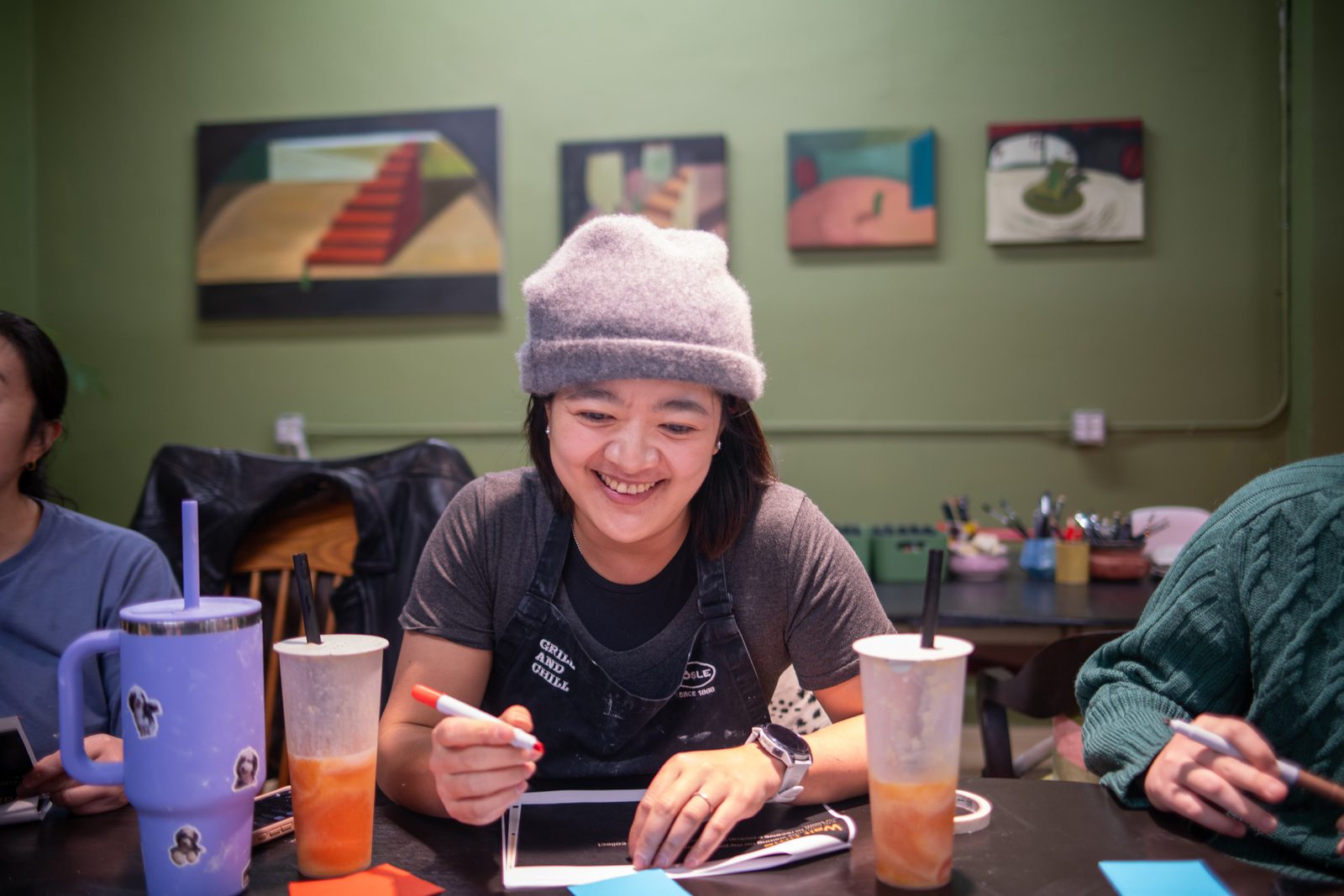
03HMW Design Challenges
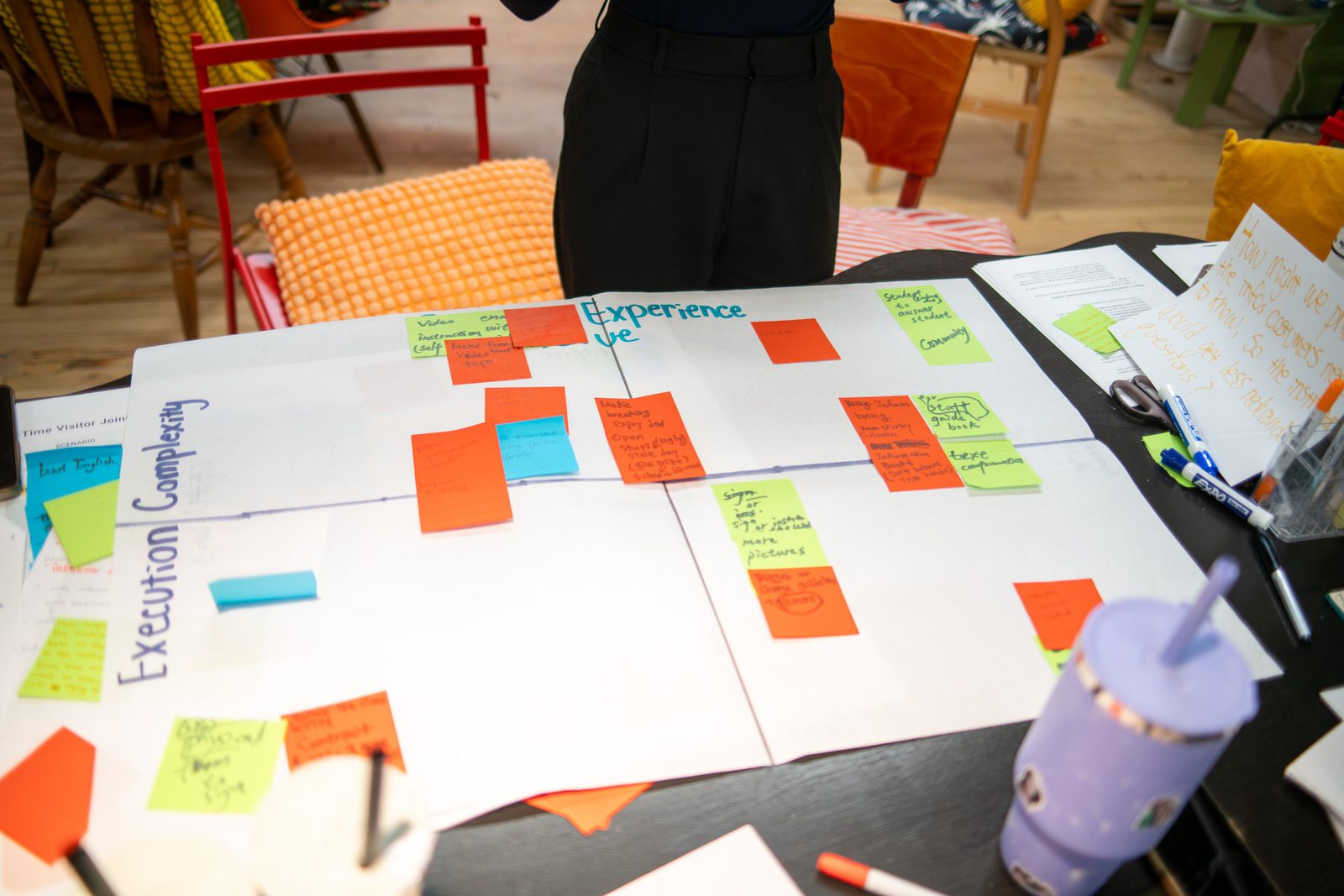
04Crazy 8 & 2×2 Matrix

The conflict
| Situation | Founder | Newcomer |
|---|---|---|
| Low structure |
|
|
The studio is designing for insiders (loyal customers) but selling to outsiders (new customers).
Problem statement
How might we prioritize the information customers need to know, so the instructor gets fewer redundant questions?
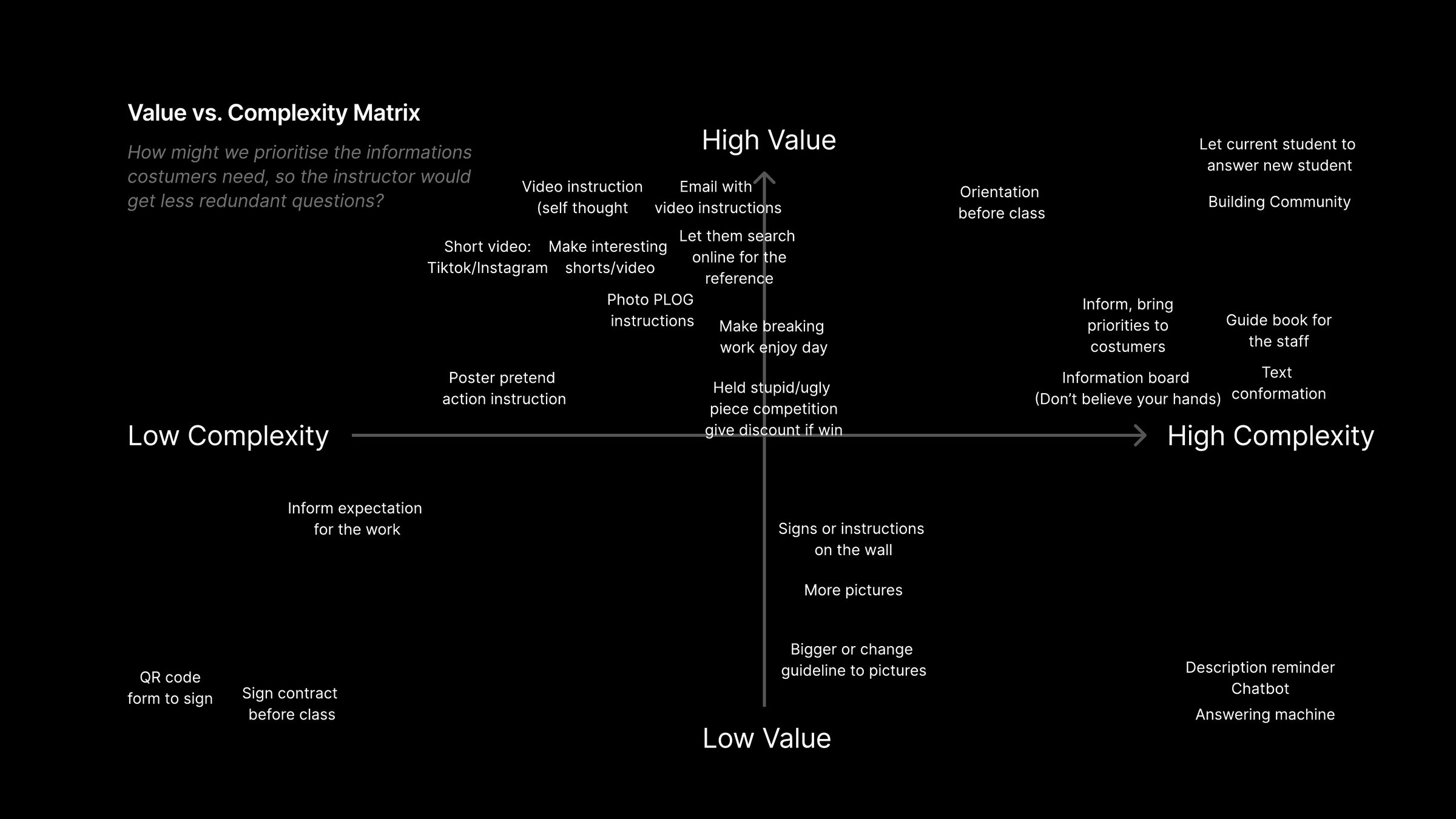
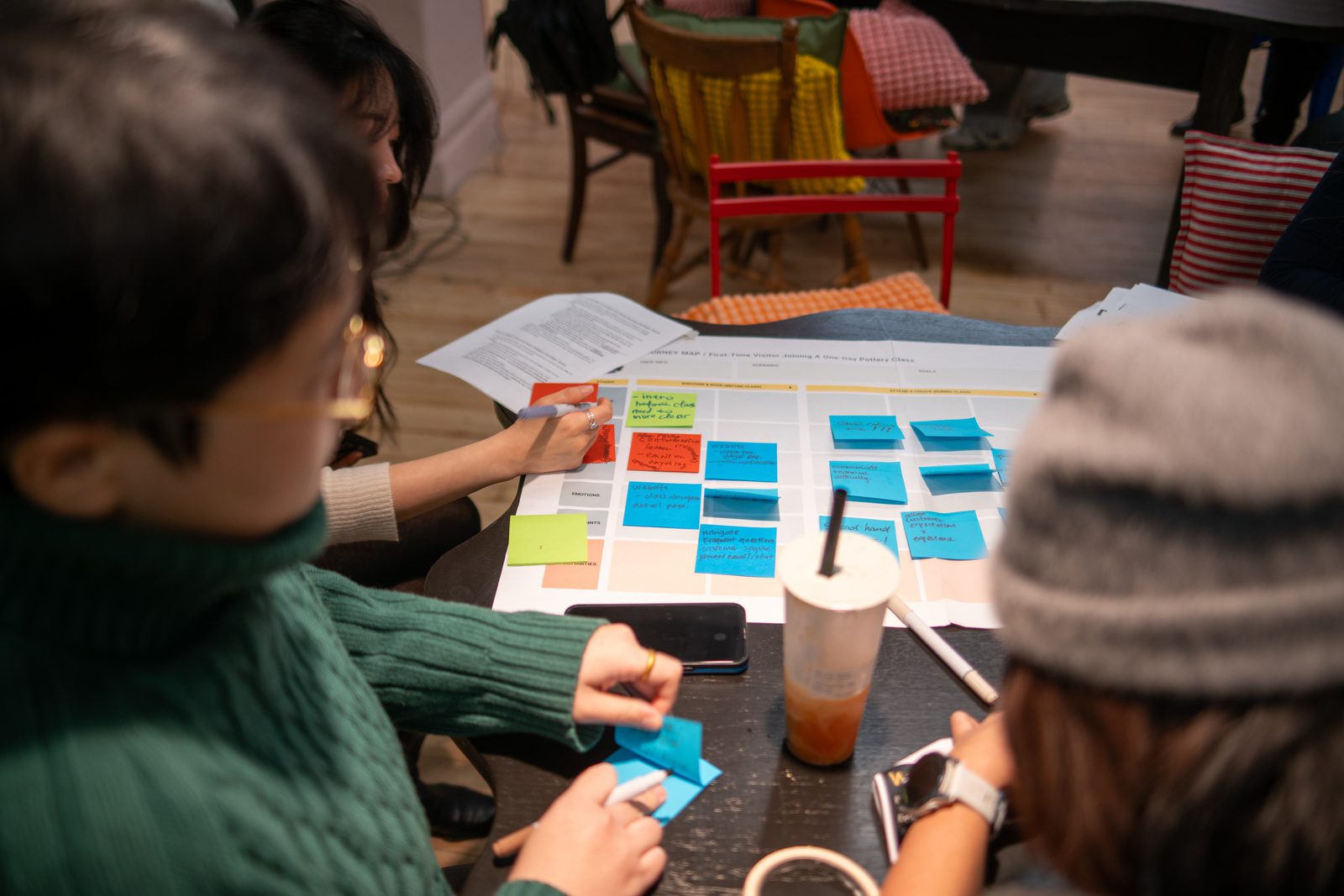
Co-designing “Soft Clarity”
Through the workshop, we aligned on a new design principle: Soft Clarity. It means providing structure through human connection and engaging media, rather than bureaucratic rules.
We called it “The Dusty Way.”
Insights
Warmth that newcomers can’t feel yet
Dusty & Co. wants to give people a warm, relaxed, non-commercial space. But because information is not clear, many visitors do not feel this value. They feel lost, nervous, and unsure instead.
Anti-Commercial Hospitality
New customers feel frustrated when they don’t have clear signage, emails, or rules.
The Anxiety Loop
After class, customers wait 3–4 weeks with almost no updates, so they call again and again. Silence creates anxiety, and anxiety creates more work for the studio.
Product vs. Experience
Many customers think a Try Class means buying a perfect final product. When their piece is not perfect they feel sad or angry, and teachers spend extra time and emotion to fix it.
Solution
Three touchpoints, one Dusty Way
Each recommendation adds clarity at a moment where newcomers felt lost, without turning the studio into a rulebook.
Solution #1: The Ritual Commitment
A physical card presented at the start of class.
Not a legal contract, but an emotional one. A beautifully designed card sets expectations about the process, the result and the wait, and turns them into a shared ritual between guest and instructor.

Solution #2: Visual Vibe Guides
Short video loops sent with the booking confirmation.
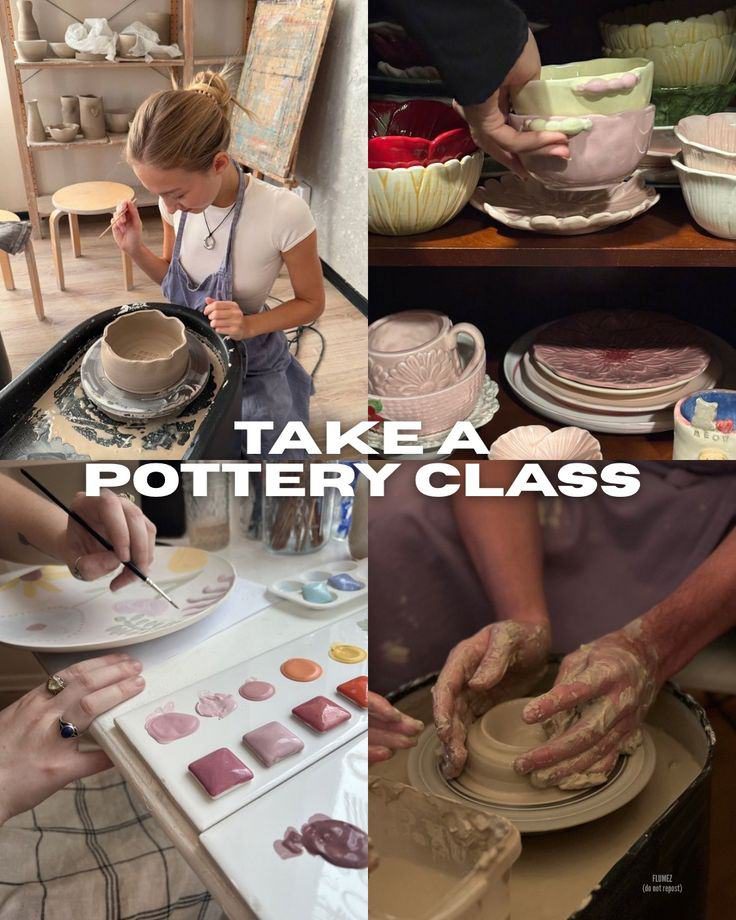
Aesthetic clips hosted on Instagram and linked from the confirmation email or SMS show guests how to find the studio and what really happens to their clay over four weeks.

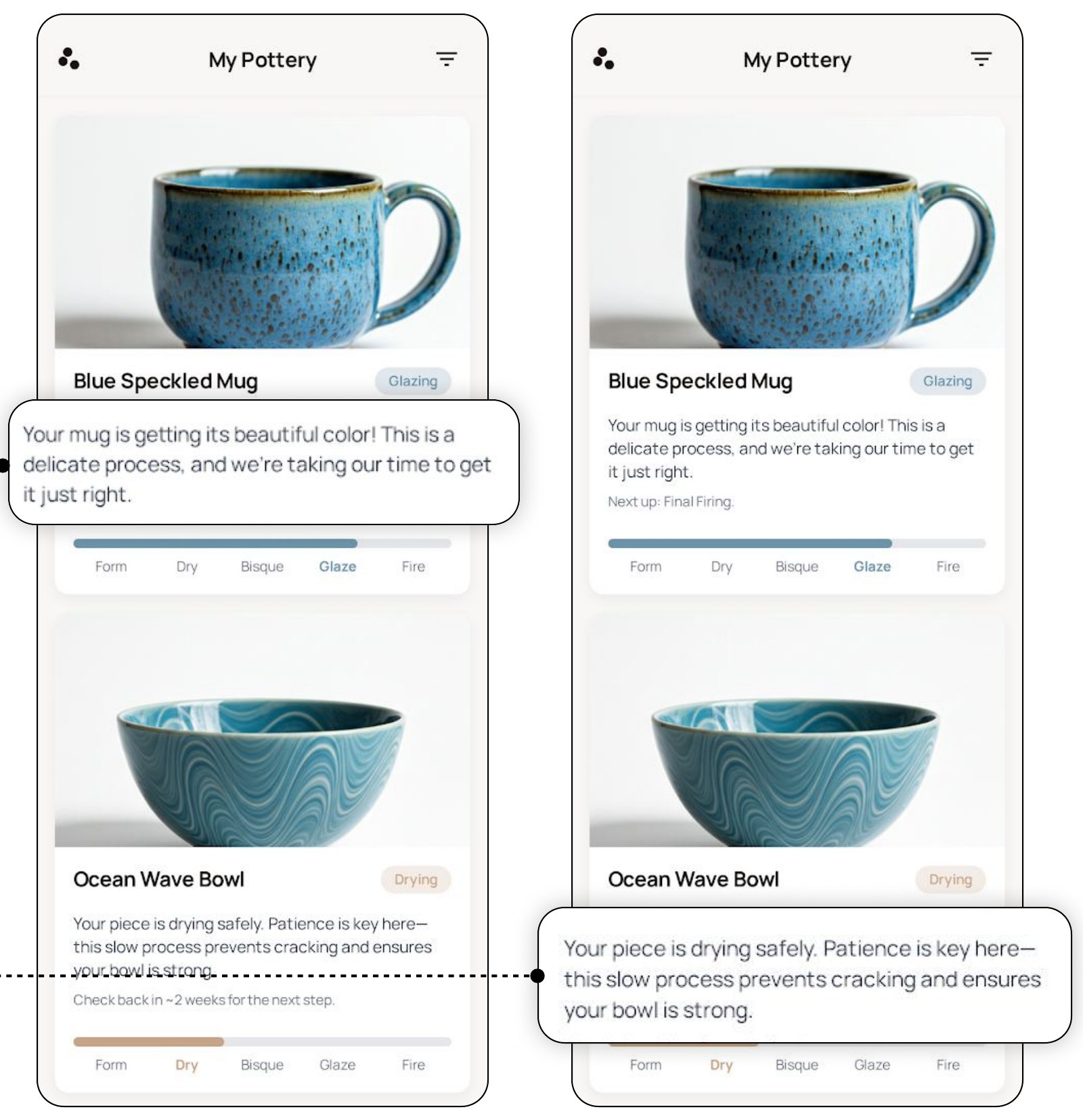
Solution #3: The Anti-Anxiety Progress Tracker
A QR landing page that speaks like a person.
Instead of generic status updates, each piece shows its stage (form, dry, bisque, glaze, fire) with human-centric language:
“Your piece is drying safely. This takes time to prevent cracking. Check back in 2 weeks.”
Reflection
Clarity doesn’t have to feel cold.
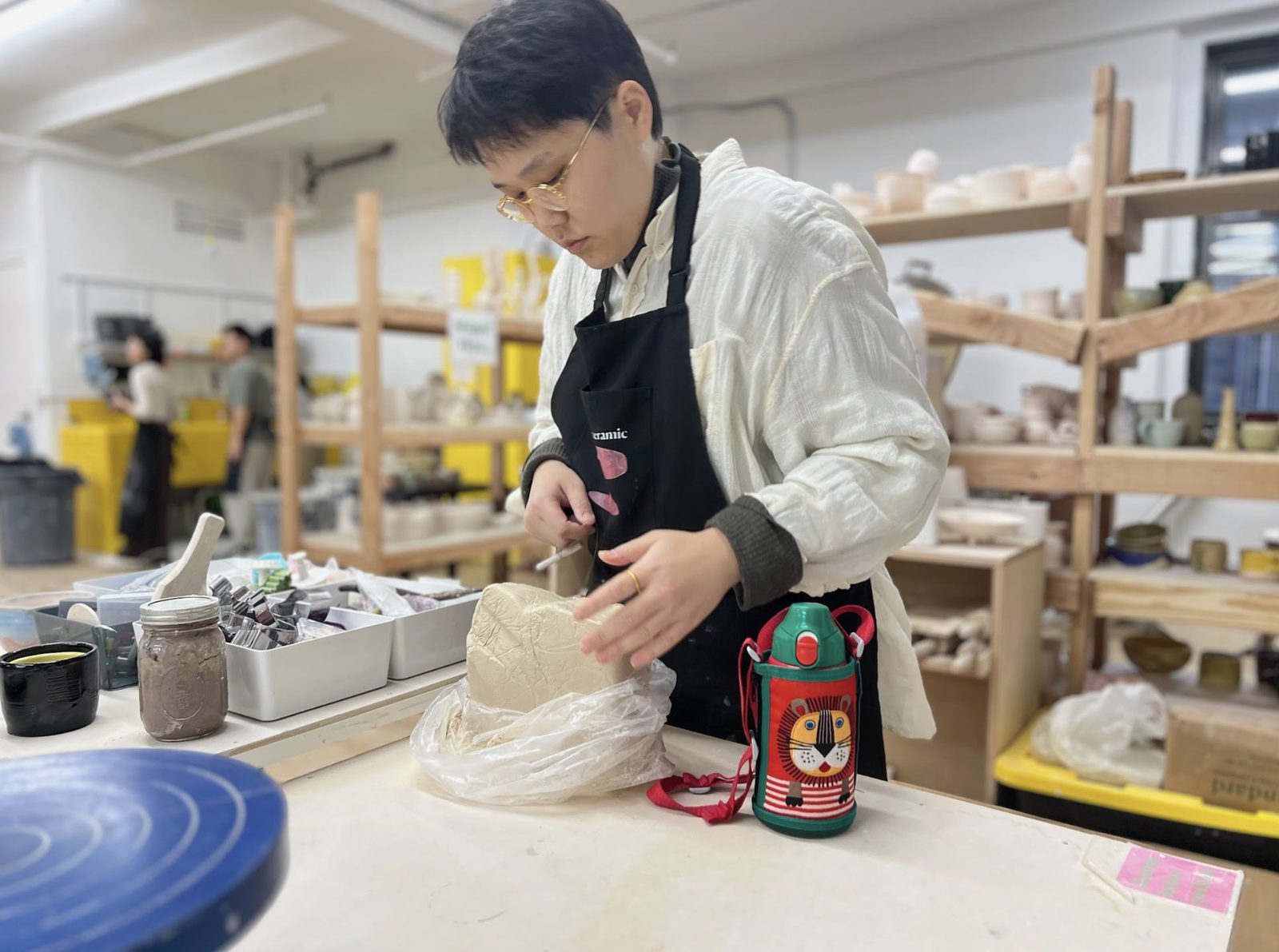
Taking a real Try Class myself made the newcomer’s confusion tangible, and sharing it in the workshop helped the founders see their studio from the outside. The most useful outcome wasn’t a single feature but a shared principle, Soft Clarity, that the team can apply to every future touchpoint. Thank you to the Dusty & Co. team!
See next
 Ready Action: An AI Scene Partner That Listens, Performs, and Coaches
 Gus in the Room: Bringing a Dog Into the Classroom Through a Robot’s Eye
 Toilet Delivery: Dignified Restroom Access for NYC Delivery Workers
 Sober Buddy: An AI Player That Joins the Table
 Budgie: Keeping Friendships Alive, One Chirp at a Time
 DriveBoy: An Emotional Co-Driver for Long-Haul Truck Drivers
 Industrious: Creating Natural, Authentic Connection in Shared Workspaces
 Hereiam: An AI-Driven Psychological Care Service
 Baekgomtang: A Climate Crisis Campaign Website
 Octofix: A Direct Alteration Service for Purchase and Repairs
 Exhibition Assistant: Planning an Exhibition Day Made Easy
 O!house Re-design: Personalized Home Tours and Deals← All work